
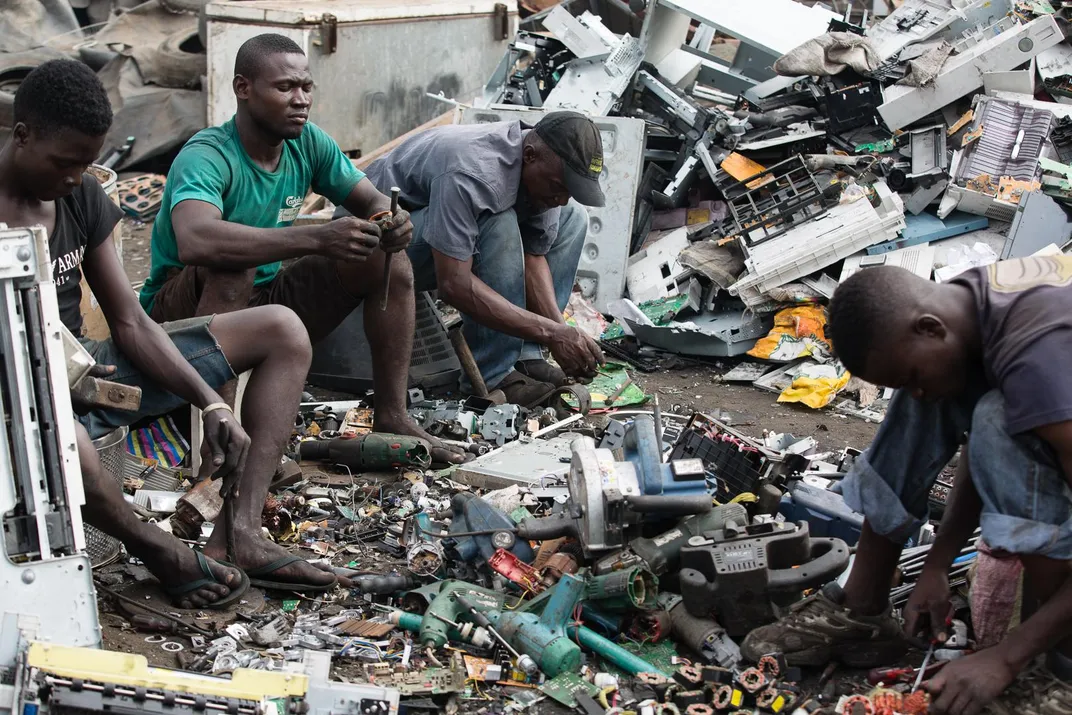

The rapid growth of AI infrastructure is poised to worsen the global e-waste crisis, with projections indicating a surge in discarded electronics by 2026. According to a recent Hacker News discussion, AI's demand for hardware like GPUs and servers will amplify e-waste generation, potentially overwhelming recycling systems. This issue stems from the short lifespan of AI-related devices, which often become obsolete quickly due to technological advancements.
This article was inspired by "AI is about to make the global e-waste crisis worse" from Hacker News.
Read the original source.
How AI Fuels E-Waste Growth
AI's reliance on specialized hardware, such as high-powered GPUs, leads to faster device turnover. The United Nations reports that global e-waste reached 62 million metric tons in 2022, and experts predict a 58% increase by 2030, partly driven by AI adoption. For instance, training large language models requires massive data centers, where servers are replaced every 3-5 years, contributing to waste streams. This cycle creates environmental hazards, as e-waste contains toxic materials like lead and mercury that pollute landfills.
Bottom line: AI could add 2-5 million metric tons of e-waste annually by 2030, based on current trends in hardware consumption.
What the HN Community Says
The Hacker News post garnered 13 points and 2 comments, reflecting mixed reactions from AI practitioners. One comment highlighted AI's energy inefficiency, noting that data centers already account for 2-3% of global electricity use, exacerbating e-waste through frequent upgrades. Another raised concerns about recycling rates, pointing out that only 17% of e-waste is formally collected worldwide, making AI's impact harder to mitigate. Community feedback emphasized the need for sustainable practices in AI development.
| Aspect | HN Discussion Points | Potential Impact |
|---|---|---|
| Hardware Demand | High GPU turnover | Increases e-waste by 20-30% |
| Recycling Challenges | Low collection rates | Worsens pollution in developing regions |
| Community Sentiment | 13 points, 2 comments | Calls for ethical AI guidelines |
"Technical Context"
AI's e-waste contribution includes not just devices but also rare earth metals in chips, which are mined unsustainably. For example, a single AI accelerator might contain materials that, if not recycled, add to the 54 million metric tons of unmanaged e-waste projected for 2025.
Why This Matters for AI Practitioners
For developers and researchers, this crisis underscores the environmental cost of AI innovation, with e-waste linked to health risks in e-waste hotspots like Ghana and India. AI companies like Google and Microsoft have committed to recycling programs, but uptake remains low, as only 10-15% of AI hardware is reused. This situation pressures the industry to adopt greener alternatives, such as edge computing, which could reduce hardware needs by 40% in some applications.
Bottom line: Addressing e-waste is essential for AI's long-term viability, as unchecked growth could lead to regulatory backlash and higher operational costs.
In summary, AI's role in escalating e-waste highlights the need for sustainable hardware practices, with ongoing efforts potentially curbing the projected 58% rise by 2030 through better recycling and design innovations.






Top comments (0)