

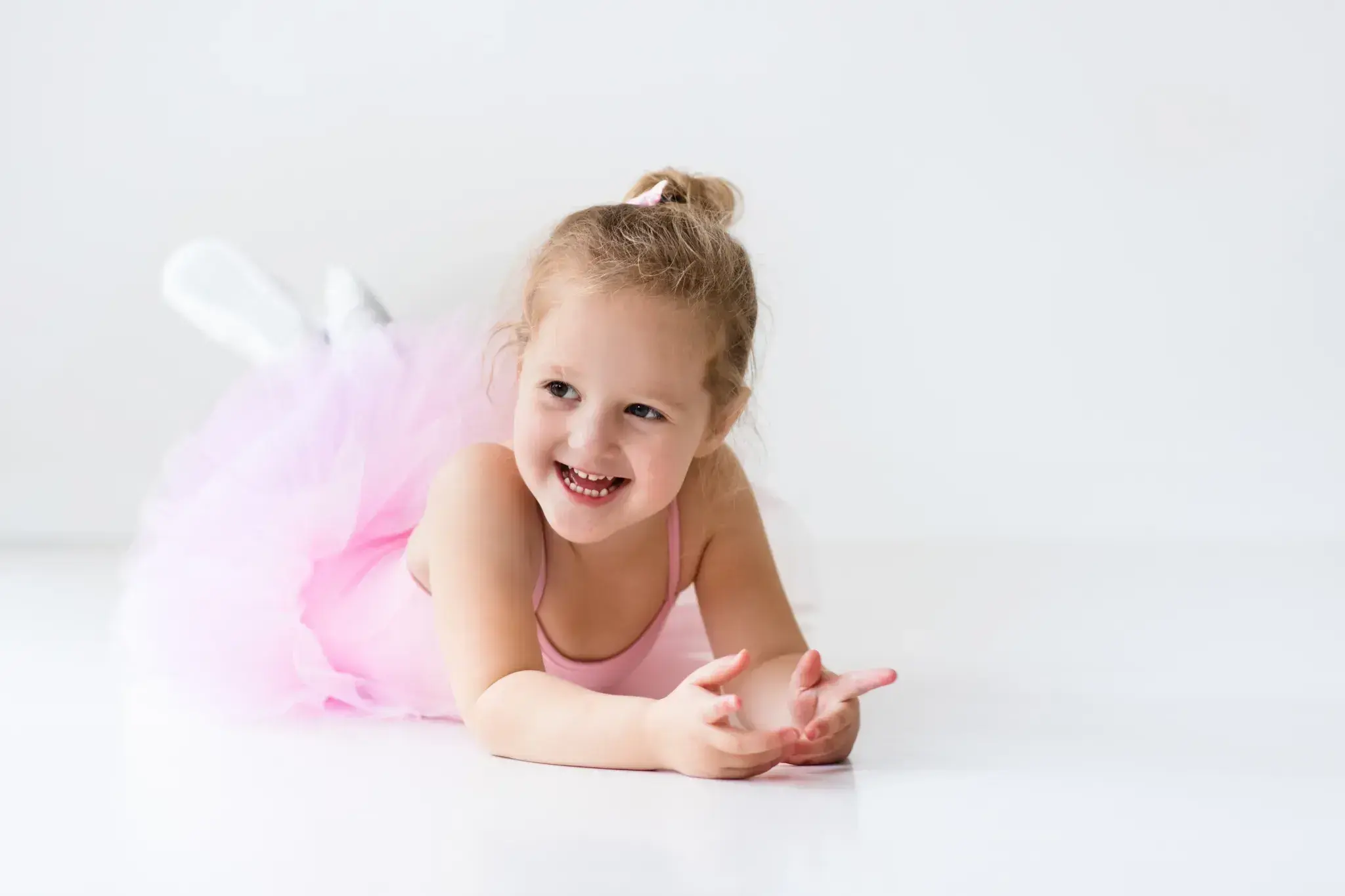
Every young dancer has days when steps feel too hard to learn. A new move may seem impossible on the first few tries. Frustration can grow when friends pick up routines much faster. These feelings are normal parts of learning any new skill.
Joining a kids beginner dance class gives children a safe place to grow. They learn that slip-ups are not failures but chances to get better. This piece shares ways parents can help their child during difficult times. A small push in the right way goes far when tough times show up.
Recognising When Your Child Feels Stuck
Kids rarely say "I feel upset" in those exact words to their parents. They may say their tummy hurts before dance practice each week. Watch for these signs as clues that something feels wrong to them. A dance academy space should feel kind, not tense for young ones. Talk softly and find out what makes them feel odd during class time.
1. Watch for Body Pains Before Class
Tummy aches that show up only on dance days point to hidden stress. These signs vanish once the class ends or gets called off.
2. Notice When Fun Turns to a Drag
A child who once ran to the car now walks with slow, heavy feet. This shift often means something feels wrong during the lesson time.
Normalising Struggle as Part of Learning
Many kids think good dancers never mess up a single step at all. This false thought makes them feel broken when they hit a rough patch. Tell tales of how pros once tripped just like new dancers do now. Explain that muscles need time to learn new moves and patterns. A kids ballet classes place often shows this growth clearly as weeks pass. Tell your child that every star was once a new kid too.
- Tell tales of famous dancers who fell at first: Even big stars fell lots of times before they got good.
- Show how muscles learn by doing the same move: The body needs many tries before a new step feels smooth.
- Point out the growth they have made so far: Show clips from months past to prove how far they have come.
- Let them see you make a mistake too: Fix a wrong step in the kitchen and laugh it off to teach a lesson.
Breaking Down the Hard Part into Small Bits
A whole dance looks too big when you see it from start to end all at once. Help your child focus on just four beats of music at one small time. Get that small bit right before you move to the next four beats. The table below shows how breaking tasks helps young kids learn well.
A kids beginner dance class uses this step-by-step way to teach by nature. Teachers show moves in small bits that young brains can take in with ease.
Praise the Try More Than the Win
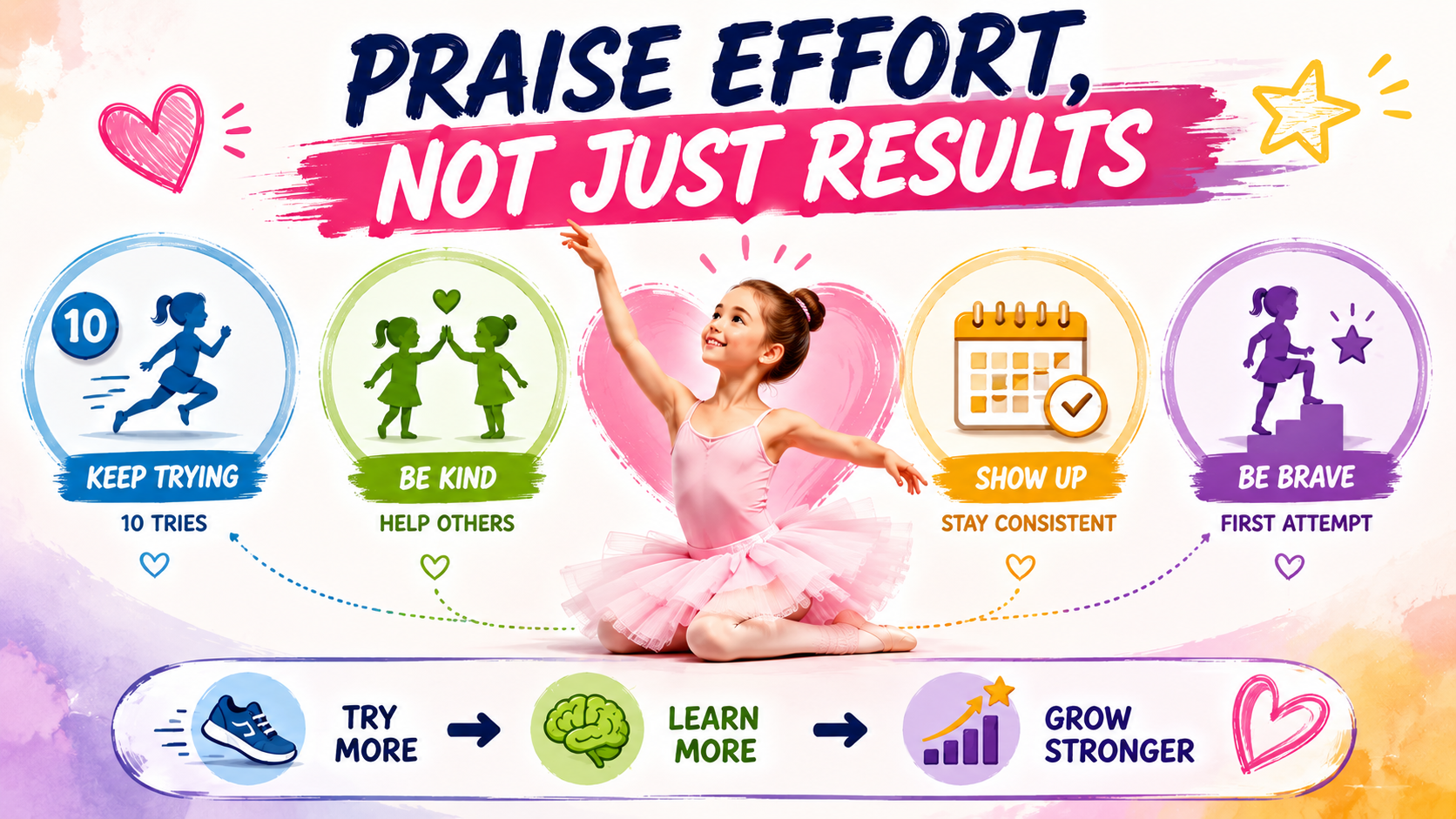
Kids note fast when parents only cheer for perfect shows and wins at games. This focus makes them scared to try challenging things where they may fall short. Shift your praise toward the hard work rather than the last result. Say, "I saw you try that spin ten times, and you did not quit." A dance academy space that focuses on building strong young dancers.
- Praise how many times they tried the move: Say "You tried that jump ten times", and not just the end look.
- Note when they help a friend in class: Being kind to peers shows a good heart beyond just dance skills.
- Cheer for them for showing up on hard days: Being there when tired or scared takes real guts for young kids.
- Say well done for a brave first try: A first go at a scary move deserves a cheer even if it fails.
Making Home Practice Feel Like Play
Formal practice can feel like a chore that kills the fun of dancing. Turn drills into games that make the same moves feel like play time instead. Bet your child to do a move five times with no stop in the music. Use small stars to mark each day they spend five runs on the steps. A kids ballet classes set gets less hard when home play feels like fun.
1. Turn the Same Move into a Game
See who can do a good bend five times in a row with no stop first. This makes the same moves less dull and more of a fun race.
2. Dance Free to Their Top Tunes
Put on pop songs and move how your body wants to go at that time. This helps kids recall that dance was pure joy before all the rules came.
Read More: Children’s Ballet Classes: What Every Parent Needs to Know
Helping Them Set Small Goals
Aiming too high too fast sets kids up for feelings of failure and shame in the end. A good goal may be to get one new step right each week as a start. Write goals on a sheet and hang them where your child can see them. Cheer each small win with a high-five or a top snack that they love. A kids beginner dance class gives small wins, as a whole dance is learnt at last.
- Set goals for one week, not one month: Small, fast wins keep the wish to try high.
- Write goals where your child sees them each day: The fridge or the wall by their bed works well.
- Cheer each done goal with a small prize: A top snack or more screen time makes the win feel good.
- Make goals less hard if they feel too big: Lowering the bar keeps a win in reach.
Conclusion
Winning isn't about making a perfect spin or jumping high without mistakes. The real victory comes from showing up again after a disappointing class. Your child shows bravery each time they try that challenging move once more. A kids beginner dance class builds strong heart and body skills and might. Tell your child how proud you are of their try, not their score.
Have questions about our dance programs? Contact us today and let us help you get started.
Frequently Asked Questions
What age is best to start a child in beginner dance classes for the first time?
Most schools take kids from three to four years old for first-time fun classes. Young kids work on basic moves while older new kids start real form work.
How long before a new dancer stops feeling lost in class moves?
Most kids gain trust after eight to twelve weeks of going each week on time. The teacher's kind words and home play both speed up this time by a lot.
My child wants to quit dance after a disappointing class. Should I let them stop?
Ask them to finish the full term before making a final decision to quit. Many kids find their love for dance back by pushing through a short, rough patch.
How can I tell if the dance school or the dance type caused my child's difficult time?
Watch a class to see if your child lights up when the teacher gives one-on-one time. A new school or dance type may set free the joy that the first one blocked.





Top comments (0)