

Anthropic projects that 87% of its compute power will come from natural gas and 11% from coal in 2028, according to a power procurement analysis flagged on Hacker News. The Hacker News thread garnered 195 points and 278 comments, reflecting intense scrutiny of AI's environmental footprint. The remaining 2% is slated to come from nuclear and renewable sources.
Model: Claude | 2028 Projected Power Mix: 87% Gas, 11% Coal, 2% Nuclear/Renewables | Sourcing Model: BYOP (Bring Your Own Power)
How AI Companies Source Power
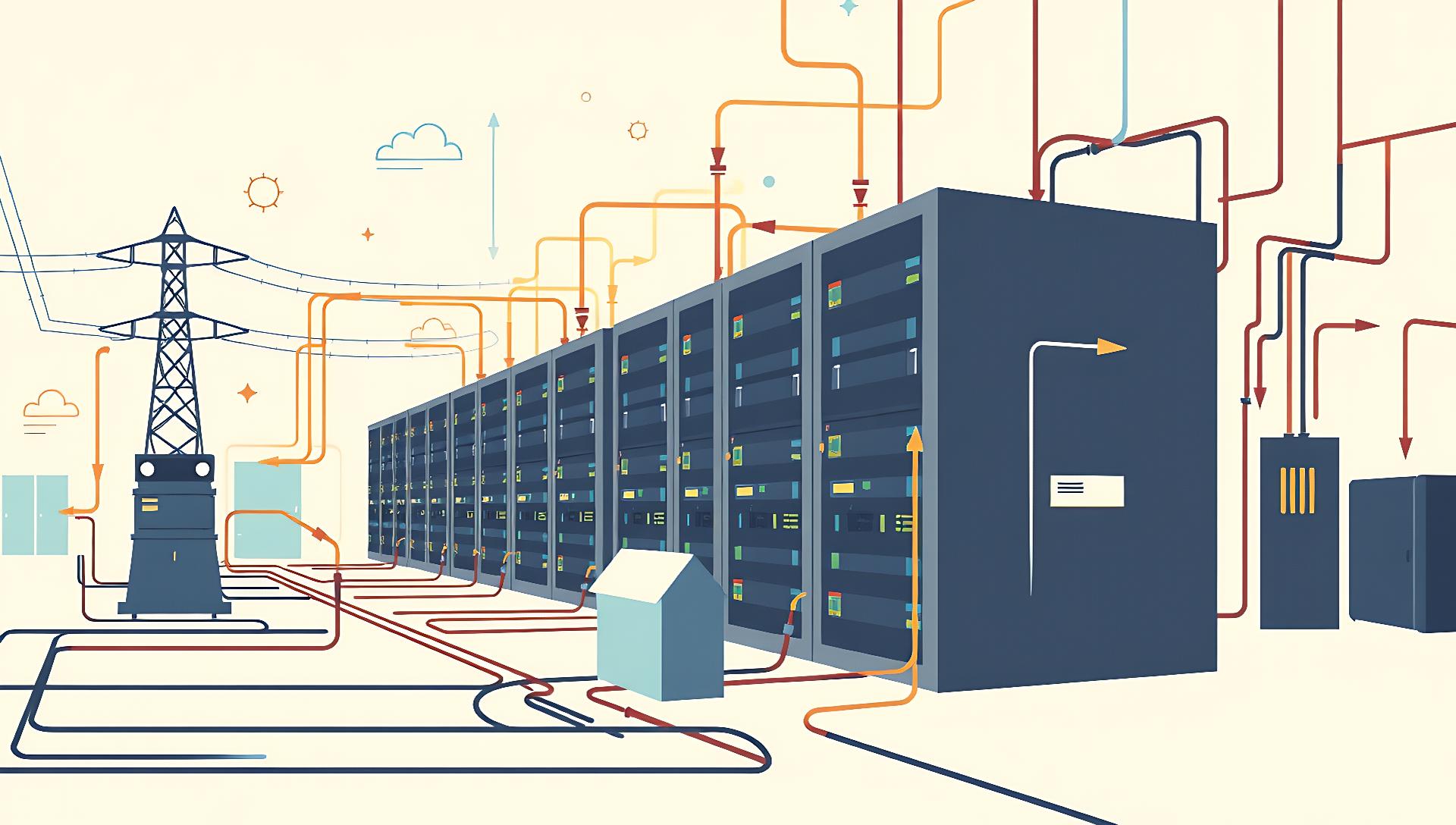
The analysis centers on Anthropic’s use of a “Bring Your Own Power” (BYOP) model. Instead of plugging directly into a local utility grid, Anthropic contracts with third-party data center providers that build dedicated power plants—often gas-fired—adjacent to the computing facility. This model guarantees stable, high-capacity power but locks in fossil fuel dependence for the lifespan of the power plant, typically 15-20 years. The alternative, using the existing “grid power” mix, means drawing from a regional electricity network whose cleanliness varies drastically by location and hour.
The Numbers: A Fossil Fuel Lock-In
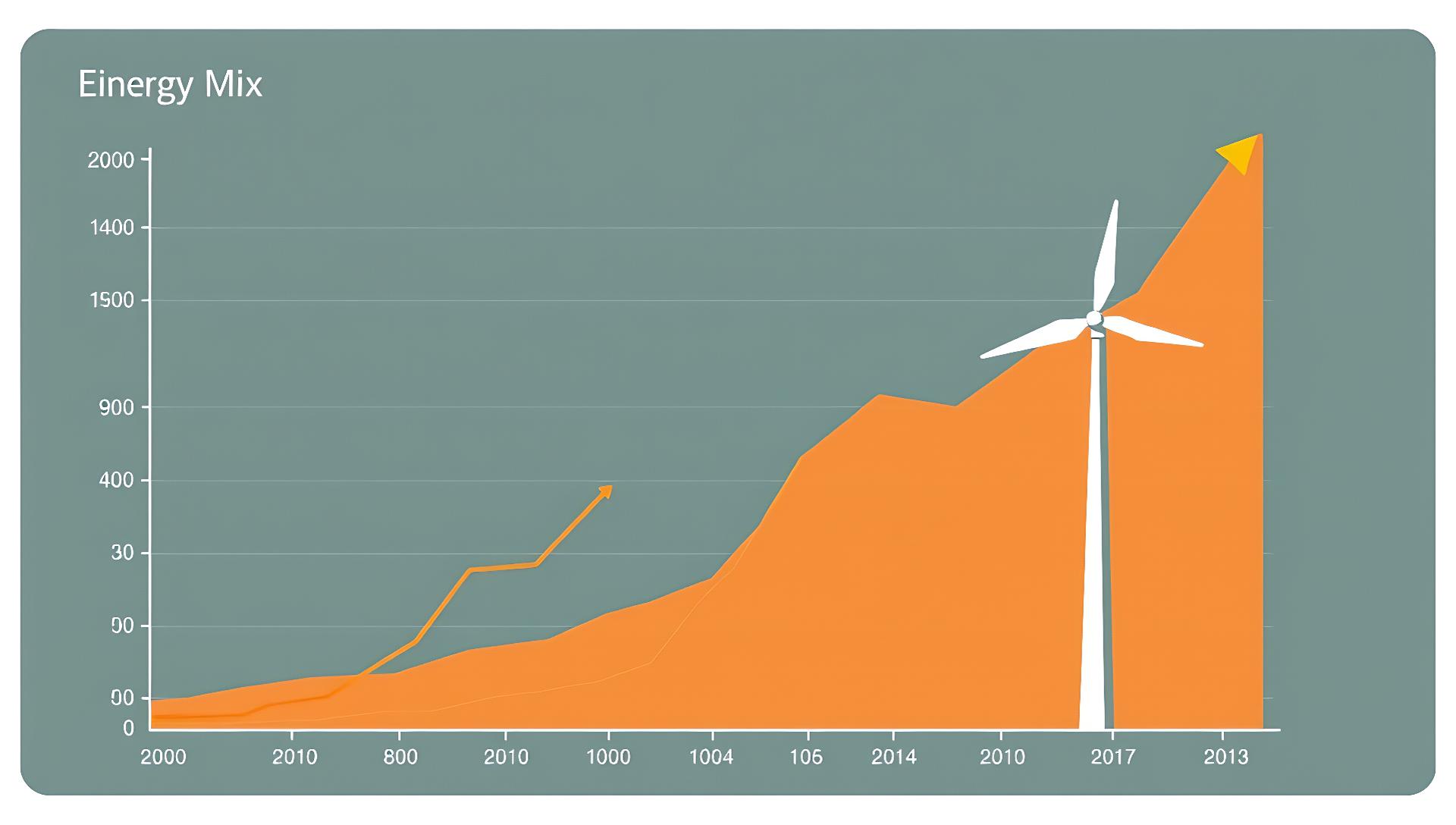
The projected 98% fossil fuel reliance for 2028 is a forward-looking estimate based on disclosed power purchase agreements (PPAs) and infrastructure plans. This figure represents the direct (Scope 2) emissions from the electricity consumed for model training and inference. It does not account for the full lifecycle (Scope 3) emissions from hardware manufacturing and supply chains, which often double an AI company's carbon footprint.
| Company | Primary Power Sourcing Model | Key Renewable Strategy | Public Carbon Goal |
|---|---|---|---|
| Anthropic | BYOP (Dedicated Gas Plants) | Long-term PPAs for 2% of mix | Not Disclosed |
| Grid + On-site Renewables | 100% 24/7 Carbon-Free Energy by 2030 | Net Zero 2030 | |
| OpenAI (via Microsoft) | Grid + PPAs | 100% Renewable Matching for Azure | Microsoft: Carbon Negative 2030 |
Industry Context and Comparisons
Google’s approach highlights the main alternative: purchasing grid power and supplementing it with massive Power Purchase Agreements (PPAs) for solar, wind, and geothermal. Google aims for 24/7 carbon-free energy, matching consumption with clean sources every hour, not just annually. Microsoft Azure, which powers OpenAI, follows a similar renewable matching strategy. Early comments on Hacker News noted that Anthropic’s BYOP model, while ensuring reliability, represents a deliberate trade-off of decarbonization for control and speed of scaling.
The Uncounted: Scope 3 Emissions
The direct power mix is only part of the story. For large AI models, Scope 3 emissions—from GPU manufacturing, data center construction, and supply chains—can constitute 50-70% of the total carbon impact. A 2024 study estimated that training a single large language model can emit over 300 metric tons of CO2e, with inference adding significantly more over its deployment life. Anthropic’s disclosure does not include these Scope 3 figures, making a full environmental assessment impossible.
Bottom line: The disclosed 98% fossil fuel power for compute paints a partial picture; the full carbon cost of AI is likely substantially higher when accounting for hardware.
What Developers and Practitioners Can Do
For teams building on or choosing between AI providers, energy sourcing is now a tangible evaluation criterion.
- Audit Your Provider: Ask your AI infrastructure vendor or cloud provider for their hourly carbon intensity data. Tools like Google's Carbon Sense or third-party calculators can provide insights.
- Optimize for Efficiency: Model selection has a direct impact. Using a smaller, fine-tuned model for a specific task can reduce inference energy use by orders of magnitude compared to calling a massive frontier model for every query.
- Consider Inference Location: Using a model endpoint in a grid region with high renewable penetration (e.g., certain parts of the U.S., Norway, or Canada) can lower the operational carbon footprint of your application.
"Understanding Scope 1, 2, and 3 Emissions"
Who Should Care About This Data
This data is critical for enterprise procurement teams with ESG mandates, researchers publishing environmental impact assessments, and product leaders whose users prioritize sustainability. Startups in regulated or green-tech sectors may find their customers demand low-carbon AI. Practitioners solely focused on benchmark performance and latency may currently deprioritize it, but regulatory and market pressures are increasing.
The transparency of Anthropic’s projection, while revealing a heavy fossil fuel dependency, sets a new bar for specific disclosure in an industry often criticized for vague environmental reporting. The subsequent Hacker News debate signals that a model's carbon-per-inference may soon become a standard benchmark alongside tokens-per-second and accuracy. Sustainability is transitioning from a PR concern to a technical and economic factor in the AI stack.






Top comments (0)