


Anthropic is preparing for an Initial Public Offering (IPO), a move flagged in a recent Hacker News discussion that scrutinizes the company's concurrent lobbying for strict AI regulation. The thread, titled "Don't Play Anthropic's Game," accrued 11 points and 3 comments, framing the IPO not just as a financial milestone but as a potential strategic play in the regulatory arena.
Company: Anthropic | Context: Pre-IPO Regulatory Positioning | Key Claim: Advocating for rules that could cement its market position
What the Hacker News Discussion Argues
The core argument from the Hacker News community is that Anthropic is engaging in a form of regulatory capture. The premise is simple: a well-funded, established company like Anthropic can absorb the compliance costs of heavy regulation, while those same rules create insurmountable barriers for newer, smaller entrants and open-source projects. The discussion suggests Anthropic's regulatory advocacy is strategically timed with its IPO to present itself to public markets as a "safe," government-aligned bet in a potentially locked-down industry.
The 11-point score indicates the topic resonated with the tech community's perennial suspicion of regulatory motives. The three comments, while few, sharpen the point: one notes the historical precedent of this tactic in other industries, while another questions the sincerity of "AI safety" when it aligns so neatly with commercial consolidation.
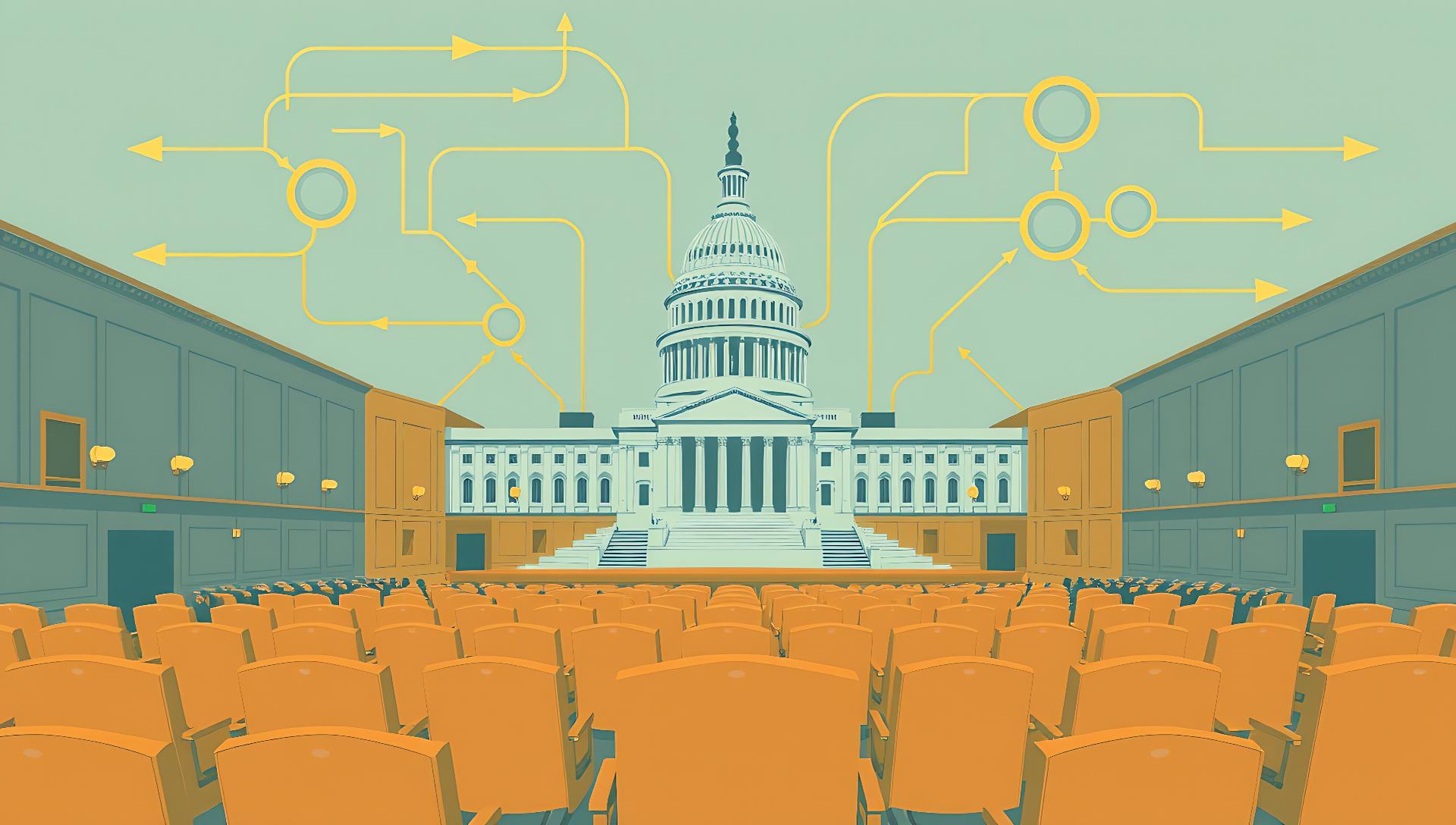
The Regulatory Context and Anthropic's Stance
Anthropic has been a vocal proponent of frontier AI regulation. The company's executives have testified before Congress, and its published policy papers often advocate for frameworks that include licensing regimes for large models and compute thresholds for regulatory oversight. These proposals, while framed as public safety measures, inherently draw a line that companies like Anthropic (with its Claude models) are already on the "regulated" side of.
The IPO prospectus, as inferred from the NYT opinion piece cited on HN, would likely highlight this regulatory engagement as a risk-mitigation strategy and a competitive moat. For public market investors, predictability often trumps openness, making a regulated landscape potentially more attractive than a wild west of unfettered innovation.
How This Compares to Other AI Giants
Anthropic's approach contrasts sharply with the strategies of its closest competitors. Where Anthropic seeks a seat at the regulatory table, others are building different forms of leverage.
| Strategy | Anthropic | OpenAI | Meta |
|---|---|---|---|
| Regulatory Posture | Proactive advocate for strict, structured rules. | Engaged but more focused on deployment scaling and partnerships. | Leans toward open-source advocacy and lighter touch regulation. |
| Commercial Leverage | IPO path; positioning as the "responsible" incumbent. | Massive partnership & ecosystem lock-in (Microsoft, ChatGPT). | Massive user base; open-weight models to drive industry standards. |
| Barrier Creation | Potential regulatory compliance as a moat. | Ecosystem/API dependency and model performance lead. | Scale of data and infrastructure; commoditizing base models. |
The table reveals a key divergence: OpenAI and Meta are building commercial and ecosystem moats, while Anthropic appears to be supplementing that with a potential regulatory moat. This multi-pronged strategy is what the HN discussion warns against "playing" into.
Who Should Care About This Debate?
This isn't just a policy debate for think tanks. The outcome directly affects multiple groups in the AI community:
- Startups & Independent Developers: They face the highest risk from regulatory proposals that mandate expensive compliance audits or licensing fees based on model size or compute used. Their ability to experiment and compete could be severely constrained.
- Enterprise AI Teams: Companies integrating AI need to factor in long-term regulatory risk. Betting on a model ecosystem that might be heavily regulated or locked down affects vendor choice and architectural decisions.
- Open-Source Contributors: Projects like those hosted on Hugging Face or built around models like Llama could be impacted by laws targeting "frontier" or "high-risk" AI systems, depending on how thresholds are defined.
- Investors: The IPO represents a pure-play public market entry for a "responsible AI" company. Its performance will be a bellwether for how markets value the regulatory alignment versus growth potential trade-off.
Bottom line: Anthropic's move forces a concrete scenario: a leading AI firm simultaneously seeking capital from public markets and rules from governments that would favor firms of its scale.
Practical Implications for Practitioners
For developers and researchers, the takeaway is operational vigilance. Tracking regulatory proposals like the EU AI Act or potential U.S. federal legislation becomes part of the risk assessment for project roadmaps. Relying solely on a single, centralized API provider (from any major company) carries not just commercial risk but now amplified regulatory risk. This environment strengthens the case for:
- Architecting for model interchangeability where possible.
- Evaluating open-weight models (like Meta's Llama series or Mistral AI's models) for critical paths to maintain flexibility.
- Engaging in policy discussions through technical industry groups to ensure regulatory thresholds are based on measurable risk, not just model size.
"Understanding Regulatory Capture"
Regulatory capture is a economic theory where a regulatory agency, created to act in the public interest, instead advances the commercial or political concerns of the industry it is charged with regulating. Classic examples include the railroad, aviation, and finance industries, where established players helped shape complex rules that solidified their market position and raised barriers to entry. The concern in AI is that early, well-resourced companies could define what "safe" or "responsible" AI means in ways that require their level of institutional structure to achieve.
The Bottom Line: A Defining Moment for AI Governance
Anthropic's IPO is more than a financial event; it's a stress test for the AI industry's relationship with governance. The Hacker News discussion cuts to a cynical but pragmatic view: be wary when a company asks for stricter rules just as it sells shares to the public. The broader AI community's challenge is to advocate for regulation that genuinely mitigates societal risk without being drafted as a tool for market entrenchment. The next year will show whether open innovation or walled gardens become the default path for advanced AI.






Top comments (0)