
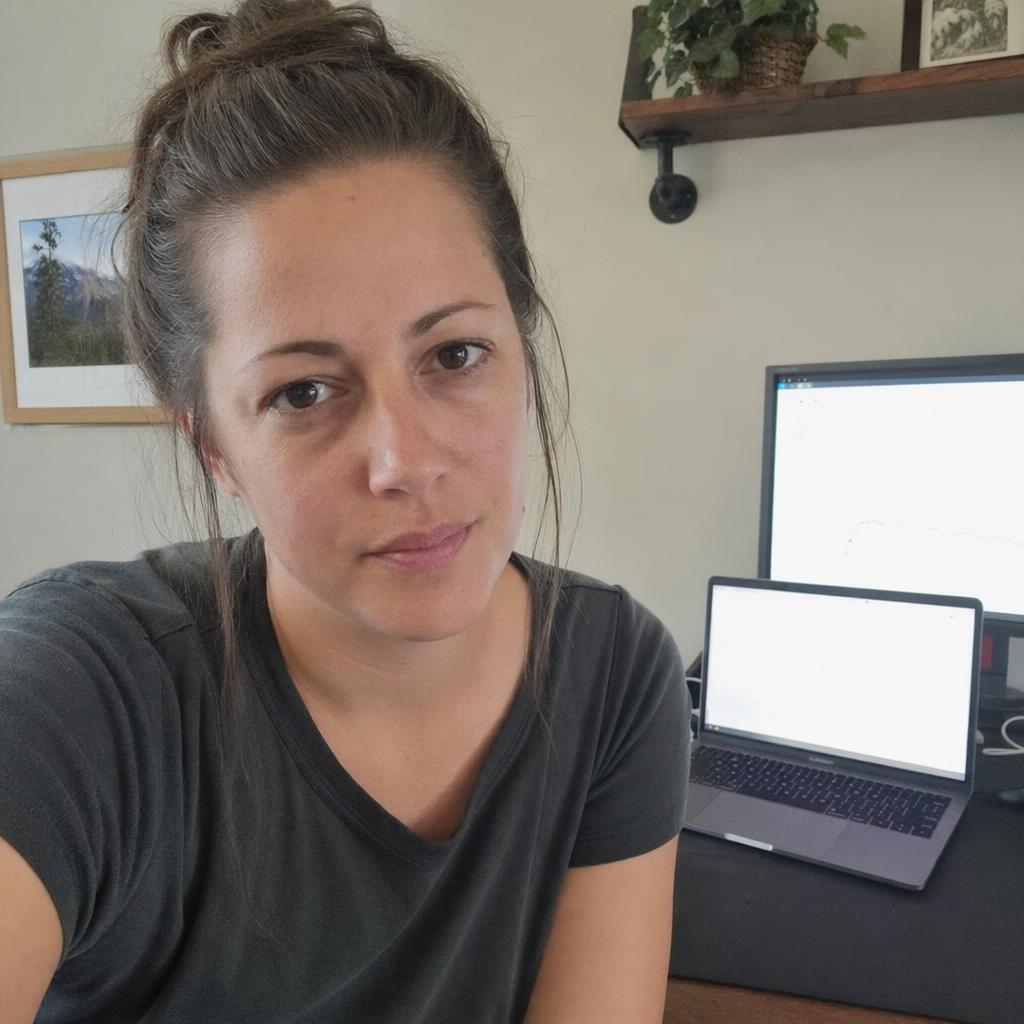
Anthropic acquired the one-person biotechnology company Mithril Medicine, as first reported on AI News. Founder Cody Tranbarger, who operated pseudonymously as ‘Professor Oak,’ revealed his identity and will join Anthropic to scale a novel ‘Pipeline-in-a-Person’ operational model for AI-driven drug discovery. The acquisition, finalized in late 2024, targets the parallelization of biopharma research using AI agents.
What Anthropic Bought: A Solo Operator Model
Mithril Medicine was not a traditional biotech startup with labs and large teams. It was a proof-of-concept built primarily by Tranbarger using AI tools, including Anthropic’s own Claude, for orchestration. The core thesis is that a single individual, augmented by capable AI agents, can manage multiple parallel drug discovery programs that would typically require entire departments.
The acquisition is a talent and methodology play, not an asset purchase. Tranbarger joins Anthropic to formalize and scale this lightweight, AI-native approach within a larger organization.
How the 'Pipeline-in-a-Person' Model Works
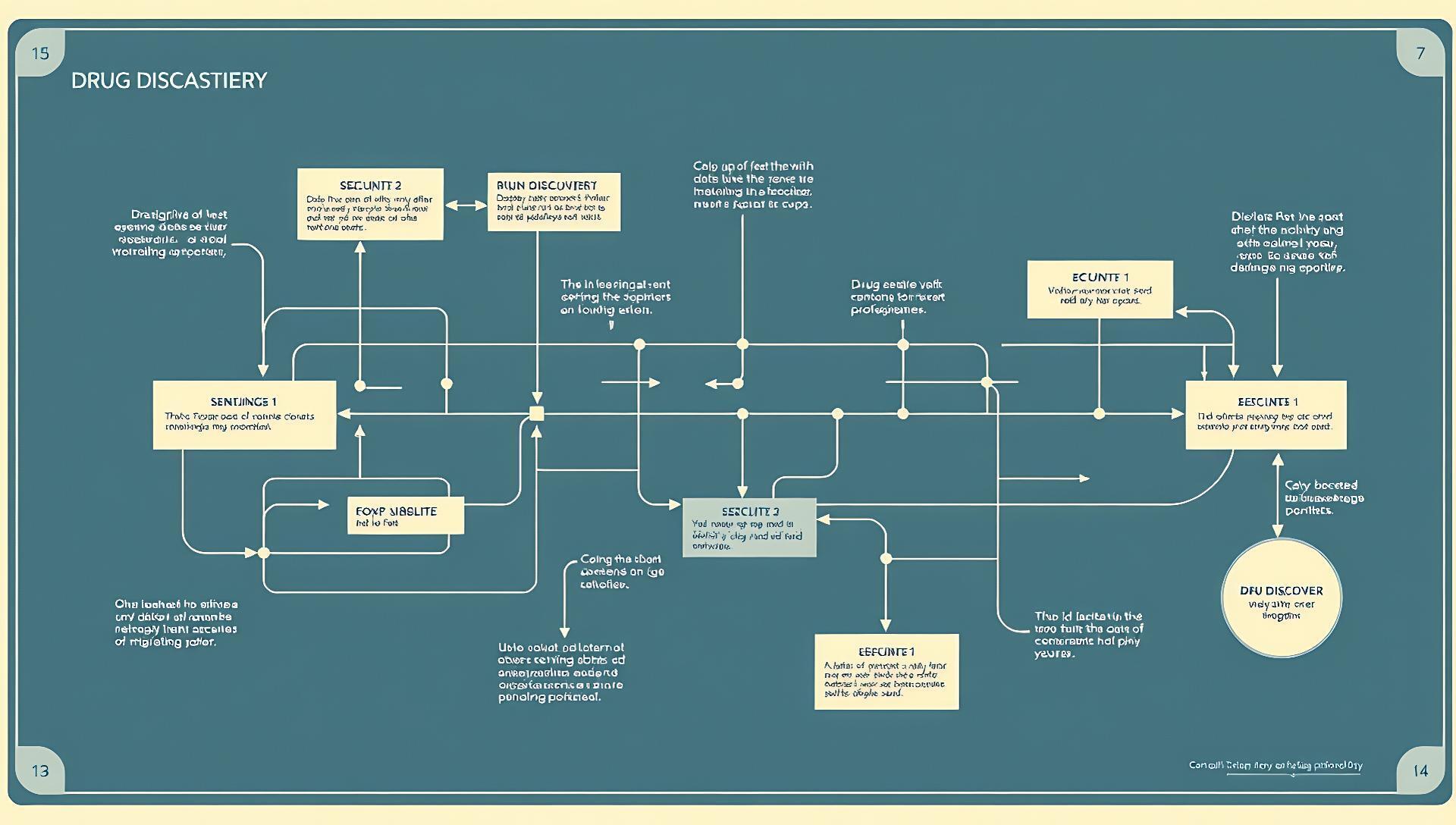
The model uses AI for orchestration and parallelization across the early-stage drug discovery pipeline. A single operator manages multiple AI agents tasked with specific research functions—literature review, target identification, molecular design, and experimental planning.
This structure aims to drastically reduce the overhead and coordination cost that bogs down traditional biopharma. Early-stage program viability is the primary metric, with the goal of increasing the sheer number of programs a single team can evaluate and advance.
Bottom line: An experiment in applying AI agentic workflows to compress the traditional, siloed stages of early drug discovery into a parallel process managed by fewer people.
"Technical context: The drug discovery pipeline"
The traditional preclinical pipeline is sequential and high-attrition: Target Identification -> Validation -> Lead Discovery -> Optimization -> Preclinical Testing. Each stage requires specialized teams and can take months. AI aims to accelerate stages like molecular design (using models like AlphaFold, ESM) and predict compound properties, but integration and workflow management remain a bottleneck.
Practical Implications for AI and Biotech
For AI practitioners, this move signals Anthropic’s concrete entry into applied, vertical-specific AI. It’s a shift from building general-purpose LLMs to deploying them as specialized agents in a high-stakes, high-value field. Success would validate LLMs as core workflow engines beyond coding and content creation.
For the biotech industry, the threat is disruption of the traditional research economics. A model that lowers the capital and personnel required to initiate drug programs could increase competition and shift value from large-scale operational prowess to agile, AI-augmented insight.
Pros and Cons of the Approach
Potential Advantages:
- Speed and Agility: Parallel agentic workflows can iterate on hypotheses faster than linear human teams.
- Lower Capital Barrier: Reduces the need for massive Series A funding to build wet-lab teams for early discovery.
- Reduced Bias: AI-driven literature synthesis can cross disciplinary boundaries more easily than specialized human researchers.
Inherent Risks and Questions:
- Scalability to Later Stages: The model is untested for the complex wet-lab work and clinical trials required beyond early discovery.
- Accountability & Error Checking: With fewer human cross-checks, the potential for compounding AI-generated errors or hallucinations in scientific reasoning increases.
- Validation Hurdle: Regulatory bodies like the FDA will require rigorous, traditional validation of any AI-discovered candidates.
Who Should (and Shouldn't) Care About This
This development is critical for:
- AI Researchers in Agentic Systems: This is a high-profile, well-funded testbed for multi-agent scientific workflows.
- Early-Stage Biotech Founders: It presents a new, lean operational blueprint to benchmark against.
- Venture Capitalists in Deep Tech: Signals a potential shift in what constitutes a "minimum viable team" in biopharma.
You can likely ignore this if:
- Your work focuses solely on foundational model development without application verticals.
- You are involved in late-stage clinical trials or manufacturing, where physical processes dominate.
- You view AI in biotech as solely about predictive protein folding or molecular generation, not full pipeline orchestration.
Alternatives and Industry Comparisons
Anthropic’s move is distinct from other AI-biotech players. It focuses on workflow orchestration for early discovery, not just tool provision.
| Feature | Anthropic/Mithril Model | Traditional Biotech Startup | AI Tool Provider (e.g., Schrödinger) |
|---|---|---|---|
| Primary Output | Drug programs & workflow IP | Drug candidates | Software & predictive models |
| Team Size | Minimal (1+AI agents) | 10-50+ for early stage | 50-500+ (software company) |
| Capital Intensity | Very Low (initially) | Very High ($50M+ Series A) | High (R&D focus) |
| Risk Profile | High (unproven model) | Extremely High (standard attrition) | Moderate (SaaS model) |
| Goal | Parallelize discovery | Advance a single candidate | Sell tools to both of the above |
How to Engage With This Trend
For developers and researchers interested in this intersection, the path isn’t to replicate Mithril but to understand the stack.
- Explore Agent Frameworks: Tools like CrewAI, AutoGen, or LangGraph are the practical building blocks for creating orchestrated AI workflows.
- Access Scientific LLMs: Experiment with models fine-tuned for biology and chemistry, available on Hugging Face (e.g., BioBERT, ChemBERTa).
- Follow the Code: Monitor Anthropic’s official blog and GitHub for any open-sourced components of this methodology. Track Tranbarger’s future publications or talks.
The acquisition is a bold bet that the largest bottleneck in drug discovery is no longer data generation or compute, but human-centric process management. Its success will be measured not by a single drug, but by whether it demonstrably increases the throughput of viable early-stage programs.






Top comments (0)