
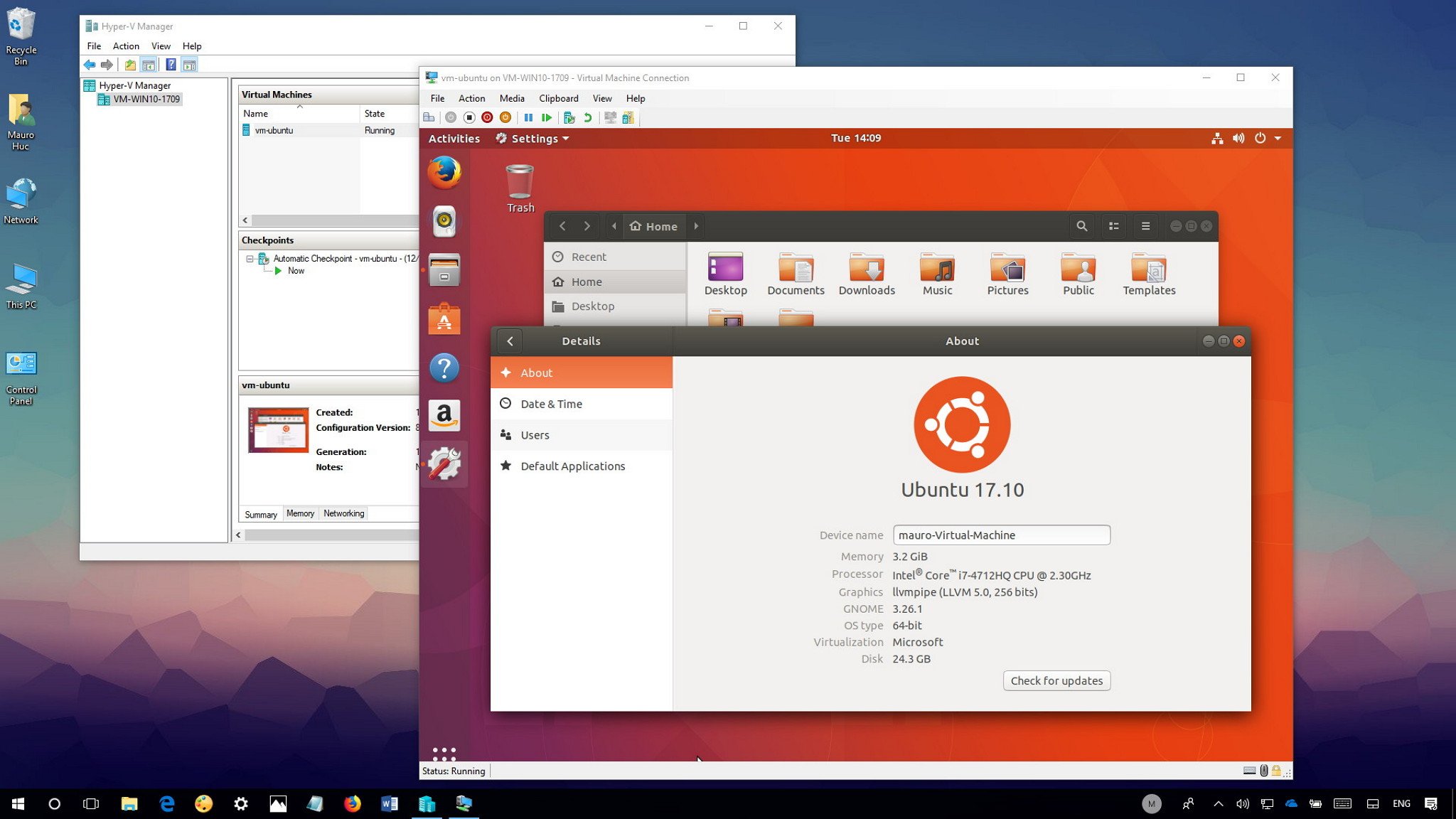

Smol Machines, a new open-source project, introduces virtual machines with subsecond coldstarts, allowing developers to run AI tasks instantly without traditional boot delays.
This article was inspired by "Show HN: Smol machines – subsecond coldstart, portable virtual machines" from Hacker News.
Read the original source.Coldstart Time: Subsecond | Portability: Cross-platform | Available: GitHub
Subsecond Coldstarts Explained
Smol Machines achieves coldstarts in under one second, a significant improvement over standard virtual machines that often take several seconds or minutes. This speed comes from optimized runtime environments that minimize overhead. The project is built on lightweight code, enabling it to run on consumer hardware like laptops.
The system supports portable execution across devices, with the GitHub repository providing ready-to-use setups. Early testers on Hacker News report it handles AI inference tasks efficiently, reducing wait times in development cycles.
Community Reaction on Hacker News
The Hacker News post garnered 262 points and 91 comments, indicating strong interest from the AI community. Comments highlight its potential for edge computing in AI, where fast startups are crucial for real-time applications. Users raised concerns about security in portable VMs, noting that while it's promising, thorough testing is needed.
Bottom line: Smol Machines addresses a key pain point for AI developers by making virtual environments as responsive as native code.
Why It Matters for AI Workflows
Traditional VMs require 5-10 seconds for coldstarts, which disrupts iterative AI development like model training or prompt engineering. Smol Machines fills this gap by offering subsecond performance, potentially cutting workflow times by up to 90%. For researchers running experiments on limited hardware, this portability means seamless transitions between devices without reconfiguration.
"Technical Context"
This innovation could standardize faster, more accessible AI tools, paving the way for widespread adoption in portable computing environments.






Top comments (0)