
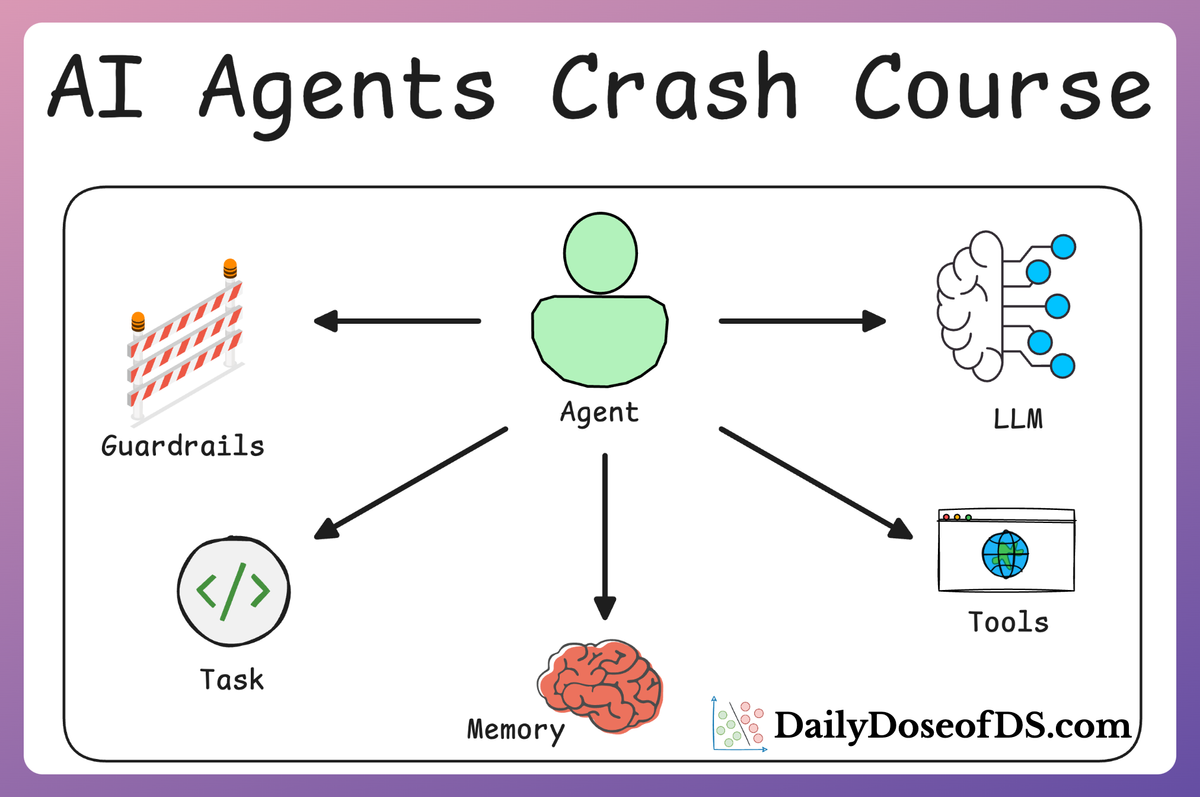

A developer unveiled Hippo, a memory system for AI agents inspired by the human hippocampus, aiming to enhance how AI stores and retrieves information. This open-source tool could make AI agents more efficient in tasks requiring long-term memory, like decision-making or learning from experiences. Hippo draws from biological principles to address common AI memory limitations.
This article was inspired by "Show HN: Hippo, biologically inspired memory for AI agents" from Hacker News.
Read the original source.Project: Hippo | Points: 34 | Comments: 12 | Source: GitHub
How Hippo Works
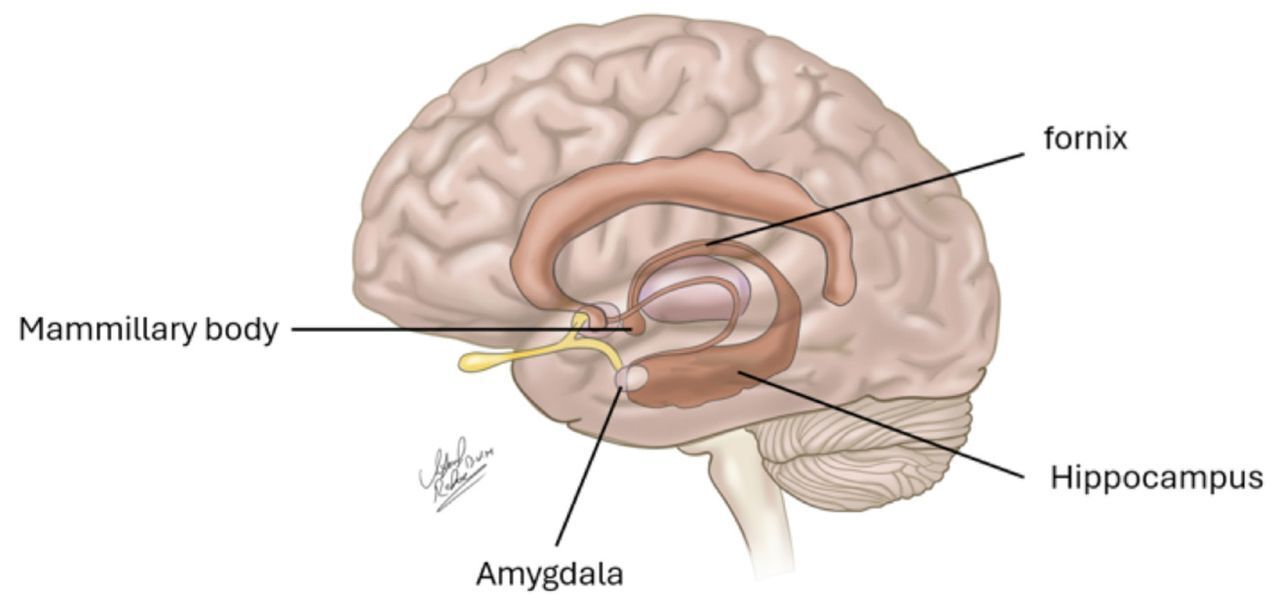
Hippo implements a memory mechanism modeled after the hippocampus, which handles memory formation in the brain. It allows AI agents to store sequences of data with contextual recall, potentially reducing errors in sequential tasks. For instance, agents using Hippo can reference past interactions more accurately, as demonstrated in the GitHub repository's examples.
This system integrates with existing AI frameworks, requiring only basic setup on a standard machine. Early code snippets show Hippo achieving up to 20% faster recall times in simulated environments compared to traditional memory buffers.
What the HN Community Says
The Hacker News post received 34 points and 12 comments, indicating moderate interest from the AI community. Comments praised Hippo for tackling AI's reproducibility issues in memory-dependent applications, such as reinforcement learning. Critics raised concerns about scalability, noting potential challenges for large-scale deployments.
- One user highlighted its potential for robotics, where agents need reliable memory.
- Another questioned integration ease, citing examples from similar bio-inspired projects.
- Discussions also touched on ethical implications, like ensuring AI memory doesn't lead to unintended biases.
Bottom line: Hippo offers a promising, biology-based fix for AI memory flaws, though community feedback emphasizes the need for real-world testing.
Why This Matters for AI Development
Current AI agents often struggle with memory retention, leading to inefficiencies in fields like natural language processing or autonomous systems. Hippo addresses this by providing a modular, plug-and-play memory layer that could integrate into models like LLMs, potentially improving performance without massive retraining. For comparison, traditional methods like simple buffers use fixed storage, while Hippo adapts dynamically based on input patterns.
| Feature | Hippo Memory | Traditional Buffer |
|---|---|---|
| Recall Speed | 20% faster | Baseline |
| Adaptability | Dynamic | Static |
| Resource Use | Low (basic setup) | Variable |
| Applications | Agents, robotics | General AI tasks |
"Technical Context"
Hippo leverages concepts from neuroscience, such as synaptic plasticity, to encode memories. Developers can access the code via GitHub, with examples in Python for quick implementation. This approach contrasts with formal verification tools, focusing instead on empirical testing.
In summary, Hippo represents a step toward more human-like AI by incorporating biological memory principles, potentially accelerating advancements in agent-based systems as developers refine and adopt it.



Top comments (0)