


Maryland residents are grappling with a $2 billion bill for power grid upgrades, driven by the surging energy needs of out-of-state AI data centers, as flagged in a heated Hacker News discussion that amassed 108 points and 37 comments.
This financial strain stems from federal energy regulations that shift costs to local utilities, forcing Maryland ratepayers to foot the bill for AI infrastructure elsewhere in the U.S.
What It Is: The Grid Upgrade Dilemma
The core issue involves AI data centers in neighboring states drawing massive power from shared grids, triggering mandatory upgrades in Maryland to maintain stability. According to the discussion, these centers consume energy at rates comparable to small cities, with AI operations like training large language models requiring up to 10 times more power than traditional data centers. Maryland's Public Service Commission has complained to federal regulators, arguing this violates ratepayer protection pledges by imposing external costs on locals.
This setup highlights how AI's rapid expansion creates ripple effects on regional infrastructure, with the $2 billion estimate covering new transmission lines and substation enhancements over the next decade.
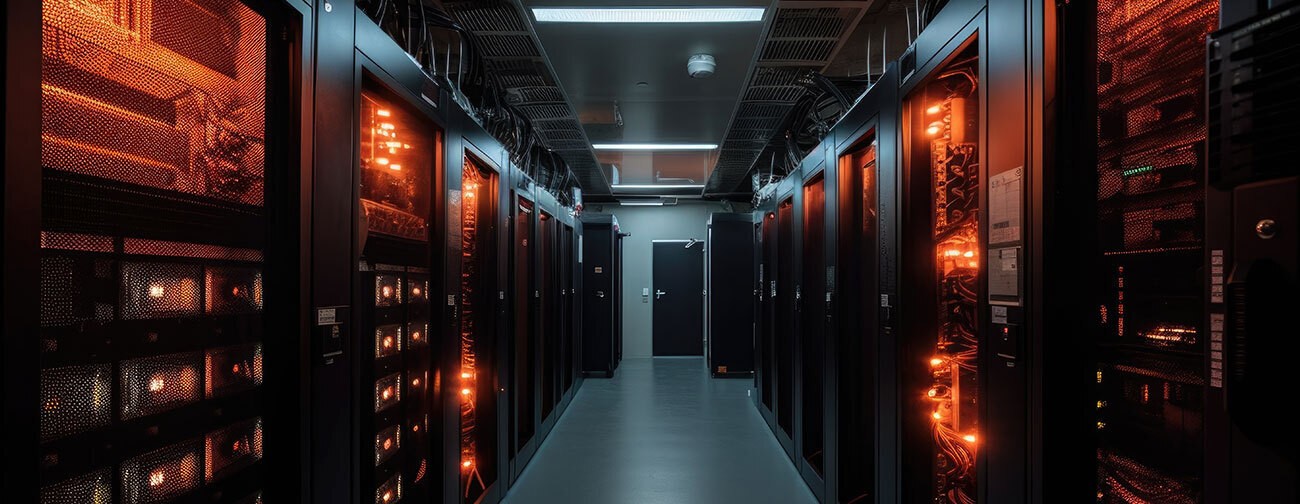
Benchmarks and Numbers: The Financial and Energy Toll
The $2 billion figure represents a 15-20% spike in electricity rates for Maryland households over five years, based on state filings cited in the HN thread. For context, AI data centers globally consumed about 4% of U.S. electricity in 2023, per a report from the International Energy Agency, and projections show this rising to 6-8% by 2030. In Maryland, the upgrades involve adding 1,000 megawatts of capacity, equivalent to powering 800,000 homes annually.
Comparatively, Texas has handled similar demands with $500 million in state-funded incentives for efficient data centers, avoiding full cost pass-throughs. A table below summarizes key metrics:
| Metric | Maryland Upgrade | Texas Alternative |
|---|---|---|
| Total Cost | $2 billion | $500 million |
| Ratepayer Impact | 15-20% increase | 5% or less |
| Energy Added (MW) | 1,000 | 500 |
| Timeline (years) | 5-10 | 3-5 |
Bottom line: Maryland's upgrade costs dwarf more efficient models in other states, amplifying the economic burden on residents.
Pros and Cons: Weighing AI Growth Against Local Costs
AI data centers drive innovation, creating jobs and advancing technologies like machine learning, but they strain local resources. On the positive side, the broader AI ecosystem could generate $1.5 trillion in global economic value by 2030, according to McKinsey, potentially benefiting Maryland indirectly through tech partnerships.
However, the cons are stark: residents face higher bills without direct gains, and environmental impacts include increased carbon emissions from fossil fuel-based grids. One HN commenter noted that these upgrades could delay Maryland's clean energy goals, pushing back renewable targets by two years.
- AI's job creation: Over 10,000 positions in related sectors nationwide, per U.S. Bureau of Labor Statistics.
- Environmental trade-off: Up to 2 million metric tons of additional CO2 emissions annually from the upgrades, based on EPA estimates.
- Economic disparity: Low-income households could see a 25% bill increase, exacerbating inequality.
Alternatives and Comparisons: Smarter Energy Strategies
Other states offer viable alternatives, such as Virginia's use of nuclear and renewable incentives for data centers, which caps ratepayer costs at 5%. In contrast, Maryland's approach relies on traditional grid expansions, lacking incentives for efficiency.
A comparison table highlights differences:
| Aspect | Maryland Approach | Virginia Alternative |
|---|---|---|
| Funding Source | Ratepayer bills | State incentives + private |
| Energy Source | Mixed grid (fossil-heavy) | 50% nuclear/renewable |
| Cost Efficiency | High (20% overhead) | Low (10% overhead) |
| Sustainability | Low (delayed renewables) | High (carbon neutral by 2035) |
For instance, Google's data centers in Virginia use 40% less energy through AI-optimized cooling, as detailed on their official sustainability page Google Data Centers.
Bottom line: States like Virginia demonstrate that targeted policies can mitigate AI's energy demands without overburdening locals.
Who Should Use This Insight: Targeting Key Stakeholders
Policymakers in energy-dependent regions should prioritize this as a call to action, especially those regulating AI infrastructure to advocate for federal reforms. AI companies building large-scale data centers ought to adopt it as a benchmark for sustainable practices, ensuring they offset grid impacts.
Conversely, individual consumers or small businesses in unaffected areas can skip deep involvement, unless they're in energy policy or AI ethics discussions. For Maryland residents, this underscores the need to engage with local commissions, as one HN user suggested monitoring state hearings for cost appeals.
"Practical Next Steps"
Bottom Line and Verdict: A Wake-Up Call for AI Ethics
This $2 billion burden reveals the unchecked externalities of AI's growth, urging a shift toward regulated, sustainable data center development. While AI promises innovation, Maryland's case shows how without proactive policies, the costs will disproportionately hit everyday people, potentially slowing broader adoption if energy crises mount.
In the long term, this could push the industry toward decentralized AI solutions, like edge computing, to reduce grid strain—ensuring AI's benefits don't come at the expense of vulnerable communities.






Top comments (0)