
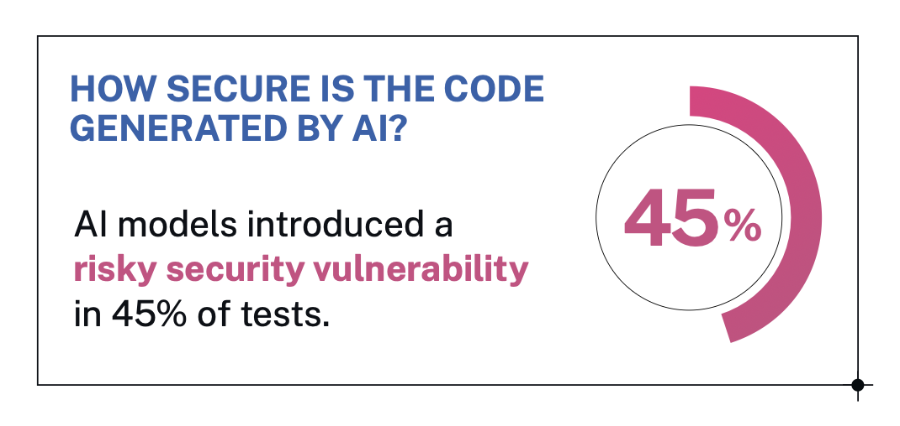

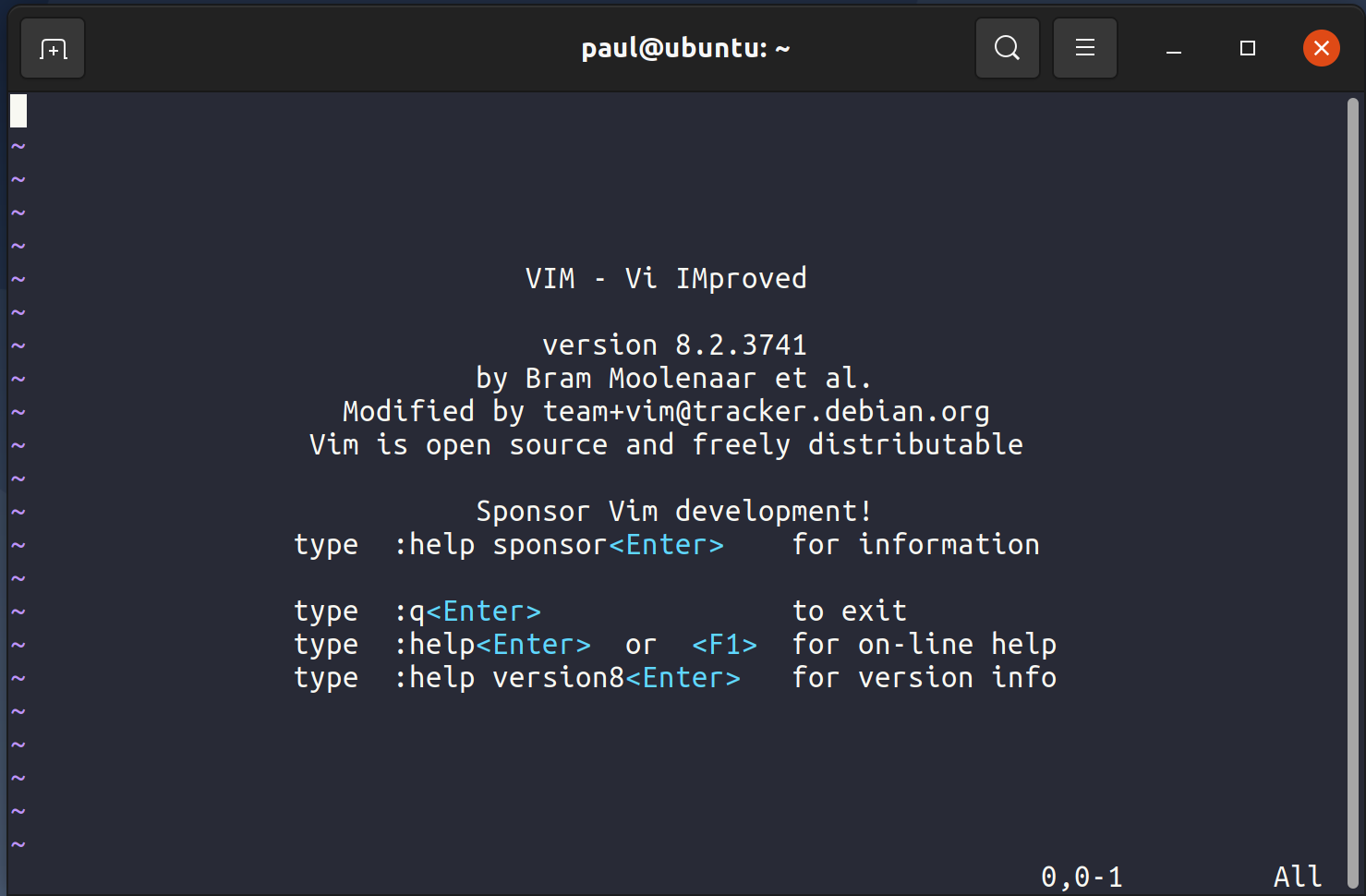
Anthropic's Claude AI, a leading large language model, has discovered remote code execution (RCE) vulnerabilities in the text editors Vim and Emacs. These bugs activate upon file opening, potentially allowing attackers to run unauthorized code on affected systems.
This article was inspired by "Claude AI finds Vim, Emacs RCE bugs that trigger on file open" from Hacker News.
Read the original source.
The Vulnerabilities in Detail
Claude AI identified specific RCE flaws in Vim and Emacs that exploit file-handling mechanisms. The bugs enable code execution without user interaction, affecting versions commonly used by developers. A Hacker News post on this topic garnered 11 points and 1 comment, indicating moderate interest.
How Claude Detected the Bugs
As an AI model specialized in code analysis, Claude scanned source code for patterns indicative of security risks. This automated approach found issues that might evade traditional manual reviews. Compared to human-led audits, AI detection can be faster, though specifics on Claude's processing time weren't detailed in the source.
Implications for Software Security
These findings highlight AI's potential to enhance vulnerability detection in open-source tools like Vim and Emacs, which have millions of users. The HN community noted in their single comment that such discoveries could prompt quicker patches, addressing a common delay in software updates. For AI practitioners, this demonstrates practical applications in cybersecurity.
Bottom line: Claude's detection of RCE bugs shows AI can proactively identify critical flaws, potentially reducing exploit risks in everyday tools.
Existing security tools often rely on rule-based scanning, but AI like Claude introduces adaptive learning for more nuanced threats. This could lead to broader adoption of AI in code auditing, fostering safer software ecosystems.





Top comments (0)