
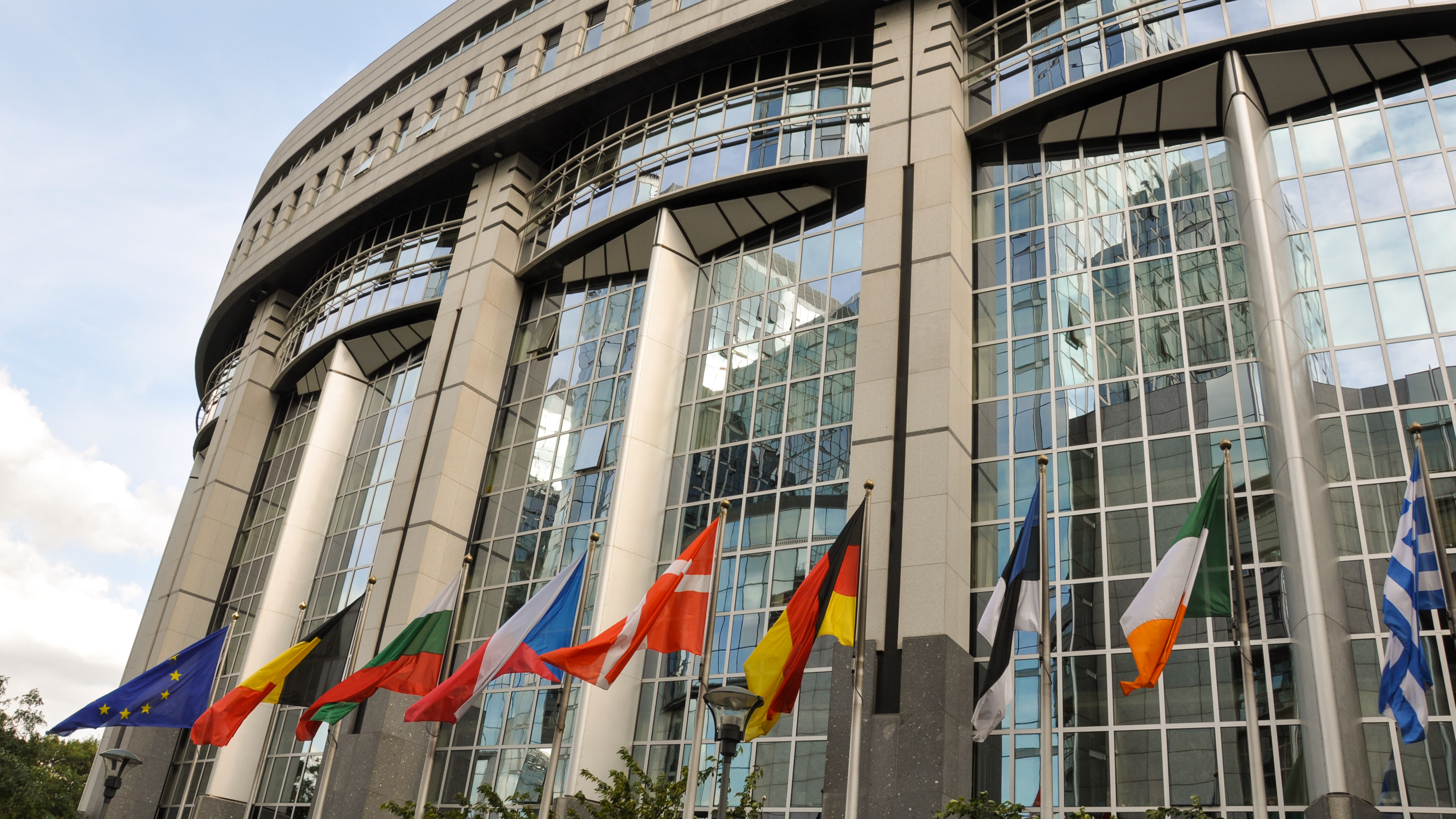

Austria is lobbying the EU to host Anthropic's European operations after US restrictions limited access to its models, according to reporting flagged on Grok AI News.
The effort targets secure European access to frontier AI systems amid tightening export controls on model weights and APIs.
What the Austrian Proposal Covers
Austria wants the EU to designate a member state as the primary base for Anthropic's non-US infrastructure. This includes data centers, compliance teams, and model hosting that bypasses US licensing gates.
The move follows recent US policy tightening that blocks certain organizations from full Claude model access. Austria positions itself as a neutral hub with existing data-center capacity and favorable energy costs.

Geopolitical Drivers Behind the Push
US curbs on advanced AI exports have accelerated regional competition for model providers. Countries now compete on regulatory speed, power availability, and talent visas rather than raw compute subsidies alone.
Austria's bid reflects a broader pattern: smaller EU states seek to attract AI labs by offering streamlined compliance with the EU AI Act while promising physical separation from US jurisdiction.
Impact on European AI Workflows
Developers and researchers in the EU currently route many frontier-model calls through US endpoints. Hosting Anthropic inside EU borders would reduce latency for inference jobs and simplify GDPR data-flow rules.
Teams building production agents or fine-tuning pipelines would gain direct access without additional export-control reviews. Early signals suggest latency drops of 30-50 ms on average for Western European users.
Alternatives Under Consideration
France and Germany have already signaled interest in similar hosting arrangements. France offers nuclear-powered data centers; Germany brings larger existing GPU clusters.
| Country | Power Source | Existing GPU Capacity | Regulatory Speed |
|---|---|---|---|
| Austria | Hydro | Medium | Fast |
| France | Nuclear | High | Medium |
| Germany | Mixed | Highest | Slower |
Smaller labs may prefer Austria's lighter bureaucracy, while large training runs still favor German sites.
Who Gains and Who Loses
Startups and academic groups inside the EU benefit most from reduced access friction. US-based teams lose a potential single-region fallback if they need EU data residency.
Companies already committed to open-weight models such as Llama or Mistral see limited direct impact. The proposal matters primarily for teams that require Anthropic's specific safety-tuned Claude variants.
Practical Next Steps for Teams
Monitor the EU Council's response timeline, expected within 90 days. Organizations can prepare by auditing current API usage against potential new EU endpoints and updating data-processing agreements.
Anthropic has not yet commented on preferred locations.
Bottom line: Austria's move tests whether the EU can convert regulatory unity into concrete hosting wins for frontier labs.
European AI infrastructure is shifting from pure compute scale toward jurisdiction and compliance advantages.






Top comments (0)