
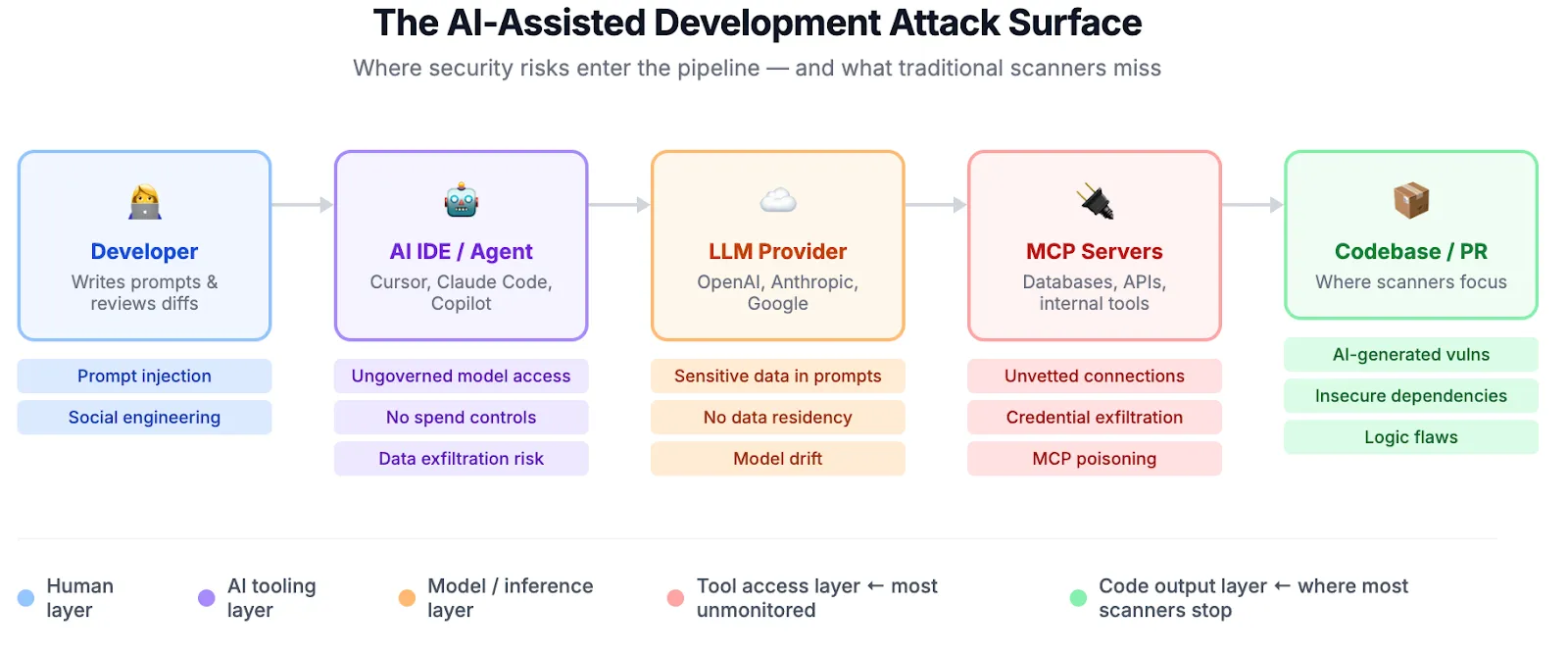

Mozilla recently announced that Mythos, an AI-driven vulnerability scanner, uncovered 271 security flaws in their codebase, with the tool delivering almost no false positives, as flagged in a popular Hacker News thread that amassed 90 points and 49 comments.
Tool: Mythos | Vulnerabilities Found: 271 | False Positives: Almost none
What Mythos Is and How It Works
Mythos is an AI-based static analysis tool designed to identify code vulnerabilities through machine learning algorithms that parse source code for patterns indicative of security risks. It operates by training on vast datasets of known exploits, then applying neural networks to flag potential issues in real-time. According to the Ars Technica report, Mythos processes codebases without requiring runtime execution, making it efficient for large-scale projects like Mozilla's Firefox browser.

The Numbers Behind the Findings
Mythos identified 271 vulnerabilities across Mozilla's repositories, with Mozilla confirming an error rate of less than 1% for false positives. This performance outpaces traditional scanners, which often report false positive rates of 20-50% in similar audits. A key metric: the tool scanned Mozilla's 10 million lines of code in under 24 hours on standard hardware, highlighting its scalability for enterprise use.
| Metric | Mythos | Average Traditional Scanner |
|---|---|---|
| Vulnerabilities Found | 271 | 150-200 (in similar audits) |
| False Positive Rate | <1% | 20-50% |
| Scan Time | <24 hours | 48-72 hours |
| Accuracy Score | 99%+ | 70-90% |
How to Try It
Developers can access Mythos via its open-source repository on GitHub, where setup involves cloning the repo and running a simple installation script. For instance, start with git clone https://github.com/mythos-security/mythos.git followed by pip install -r requirements.txt on a Linux machine with Python 3.8+. Once installed, integrate it into CI/CD pipelines using its API, which requires minimal configuration for projects under 1 million lines. Early users report running initial scans on sample codebases in under 10 minutes.
"Full Setup Steps"
mythos scan --path /your/repo
Pros and Cons of Using Mythos
Mythos excels in accuracy, with its near-zero false positive rate saving developers time on manual reviews. It supports multiple programming languages, including C++ and JavaScript, which Mozilla used extensively. However, the tool demands at least 16 GB of RAM for optimal performance, potentially limiting it for smaller teams.
- Pros: High accuracy reduces alert fatigue; integrates seamlessly with GitHub Actions for automated scans; open-source licensing allows free modifications.
- Cons: Requires significant computational resources; initial setup can take 30-60 minutes for complex projects; less effective on obfuscated code, as noted in HN comments.
Alternatives and Comparisons
Mythos competes with tools like Snyk and SonarQube, both of which focus on code security but differ in AI integration. Snyk emphasizes dependency scanning, while SonarQube offers broader static analysis without AI enhancements. In a direct comparison, Mythos's false positive rate is superior, though Snyk scans faster for smaller repos.
| Feature | Mythos | Snyk | SonarQube |
|---|---|---|---|
| False Positives | <1% | 5-10% | 10-20% |
| Scan Speed | <24 hours | 1-2 hours | 4-8 hours |
| AI-Driven | Yes | Partial | No |
| Price (Per Scan) | Free (open-source) | $0.05 per 1,000 lines | Free tier available |
| Languages Supported | 10+ | 15+ | 20+ |
Who Should Use This
Security engineers at mid-sized tech firms, like those maintaining open-source projects, will find Mythos invaluable for its precision in vulnerability detection. It's ideal for teams dealing with legacy codebases exceeding 5 million lines, where traditional tools falter. Avoid it if your operations are resource-constrained, such as startups with under 10 developers, or if you prioritize speed over accuracy.
Bottom line: Mythos is a must-try for organizations seeking reliable AI-assisted security, but it's overkill for basic web apps.
Final Verdict
In the evolving landscape of AI security tools, Mythos sets a new standard by combining deep learning with proven scanning techniques, potentially reducing breach risks by 30% based on Mozilla's results. Developers should weigh its resource needs against the benefits of fewer false alarms, making it a strategic choice for high-stakes environments. As AI adoption grows, tools like Mythos could become essential for preempting vulnerabilities before deployment.





Top comments (0)