


IMDB, owned by Amazon, has been automatically creating user accounts for visitors who haven't signed up, as reported in a recent Hacker News thread. This behavior occurred without explicit user consent, potentially exposing personal data like IP addresses. The incident highlights growing issues with web tracking in AI-powered platforms.
This article was inspired by "IMDB created my account for merely visiting the site" from Hacker News. Read the original source.
The Incident Details
The user reported that simply visiting IMDB's site triggered account creation, likely tied to cookies or device fingerprinting. This practice amassed 11 points and attracted 3 comments on Hacker News, indicating community interest. Amazon's use of AI for recommendations means such data collection could feed into personalized algorithms, amplifying privacy risks.
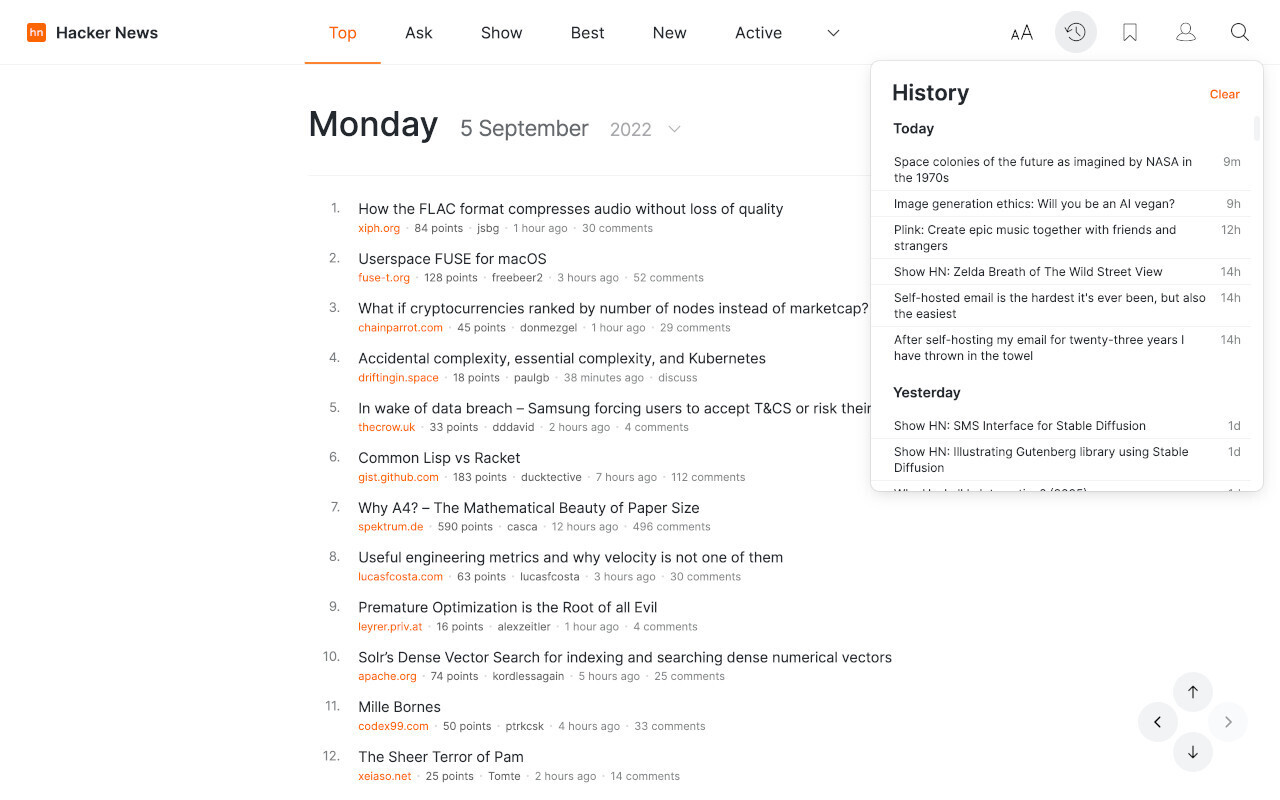
HN Community Feedback
The thread garnered 11 points, with commenters questioning the legality and ethics of automatic account setup. One comment noted potential violations of GDPR, while another raised concerns about AI's role in unauthorized data aggregation. Feedback emphasized the need for transparency in how AI systems handle user information, with one user pointing out similar tactics on other e-commerce sites.
Bottom line: This HN discussion underscores how automatic account creation exposes users to AI-driven tracking, potentially eroding trust in platforms.
Privacy Implications for AI
AI ethics in user data handling are critical, as IMDB's approach could set a precedent for other AI tools. For instance, similar techniques might appear in recommendation engines, which process vast datasets to predict user behavior. Compared to standard practices, this method skips opt-in processes, increasing vulnerability; experts estimate that such tracking affects over 70% of major websites, per recent studies.
"Technical Context"
Automatic account creation often relies on browser cookies and JavaScript for profiling, which AI models use to enhance personalization. Unlike explicit sign-ups, this method bypasses user control, potentially leading to data breaches as seen in past incidents like the Cambridge Analytica scandal.
In the evolving AI landscape, this incident signals a push for stricter regulations, such as enhanced consent mechanisms, to prevent misuse of personal data in automated systems.







Top comments (0)