
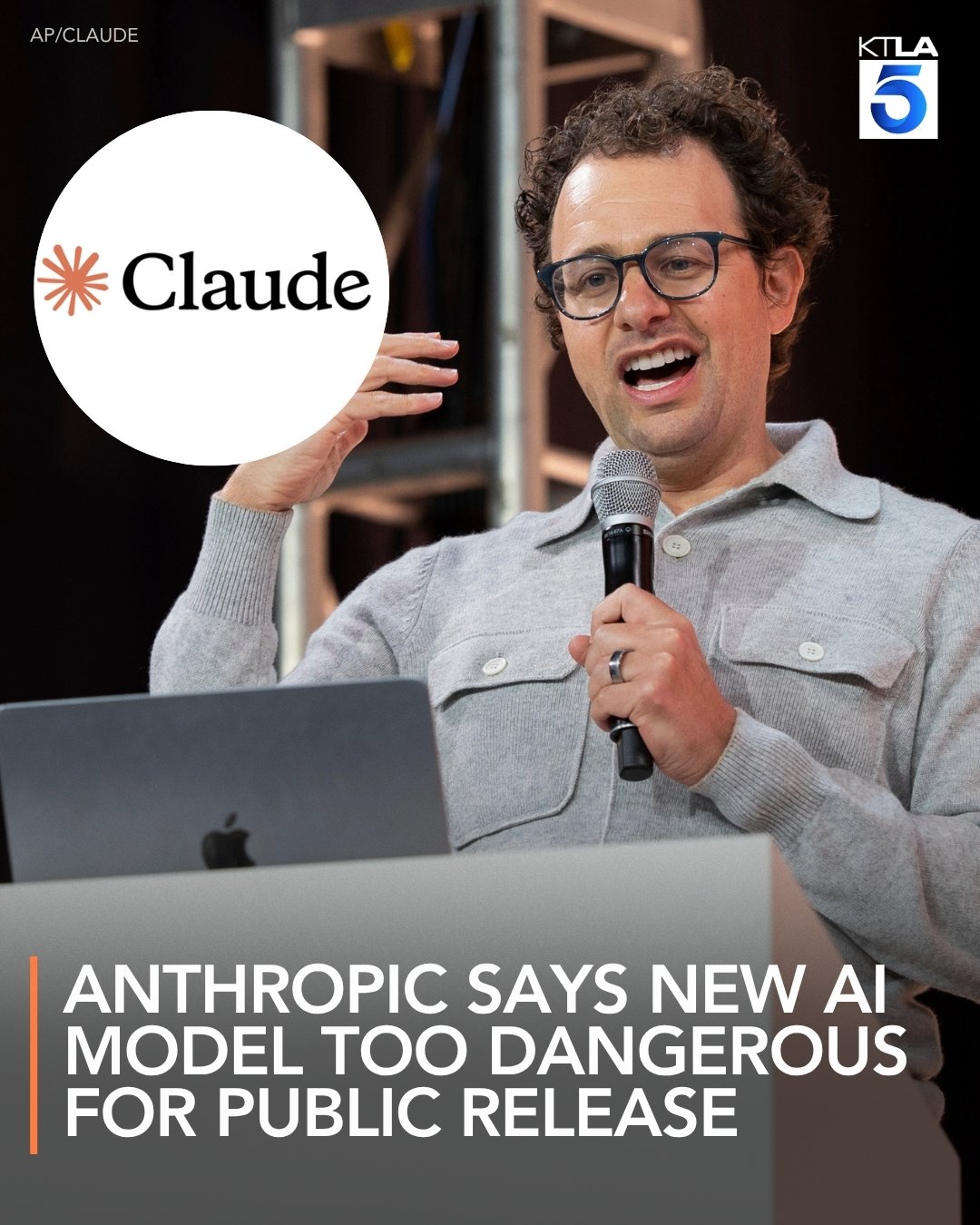

Anthropic launched Claude Mythos, positioning it as an advanced AI capable of discovering thousands of severe zero-day vulnerabilities. Critics argue it's not a sentient super-hacker but a marketing tactic to boost sales.
This article was inspired by "Anthropic's Claude Mythos isn't a sentient super-hacker, it's a sales pitch" from Hacker News.
Read the original source.
The Overhyped Claims
Anthropic claimed Claude Mythos could identify thousands of severe zero-day exploits, suggesting groundbreaking AI capabilities. The system reportedly relies on just 198 manual reviews to validate these findings, raising doubts about its reliability. This discrepancy highlights a common issue in AI marketing, where bold assertions outpace verified evidence.
HN Community Reaction
The Hacker News post garnered 37 points and 21 comments, with users questioning the AI's effectiveness. Comments noted that the 198 reviews seem insufficient for claims of thousands of vulnerabilities, potentially misleading developers. Early testers referenced in discussions pointed out similar overhyped AI products that underdelivered in real-world tests.
Bottom line: Claude Mythos' claims amplify AI hype, but the HN crowd sees it as a red flag for unsubstantiated marketing.
Why This Matters for AI Ethics
In the AI industry, exaggerated claims like those for Claude Mythos can erode trust among developers and researchers. For instance, previous AI releases with inflated capabilities led to backlash, as seen in cases where models failed to meet benchmarks. This situation underscores the need for transparency, with Anthropic's approach potentially setting a precedent for stricter scrutiny.
"Key Critique Points"
This critique of Claude Mythos signals a maturing AI field, where fact-based evaluations will increasingly challenge promotional narratives and drive more accountable innovation.







Top comments (0)