


OpenAI released GPT-6.2 Astra this week, a model that now ranks second in the comprehensive Artificial Analysis Intelligence Index — per the latest benchmark data. It trails only Anthropic's Claude Fable 5.2 but establishes a new lead in cost efficiency, dominating the performance-per-dollar Pareto frontier.
Model: GPT-6.2 Astra | Intelligence Index Rank: #2 | Key Strength: Cost Efficiency
Available: OpenAI API & Playground | Context Window: 128K tokens
How the Intelligence Index Benchmarks Work
The Artificial Analysis Intelligence Index is an aggregate benchmark combining scores across science, knowledge, 3D reasoning, and robotics tasks. It weights models on their ability to handle complex, multi-step problems rather than simple Q&A. GPT-6.2 Astra's second-place finish indicates a significant leap in reasoning capability over its predecessors and most competitors, closing the gap with the current leader, Claude.
The index uses a normalized scoring system where 100 represents the current frontier. Claude Fable 5.2 scores 100, GPT-6.2 Astra scores 96.8, and the third-place model scores 89.1. This creates a clear two-model top tier.
The Cost-Performance Dominance
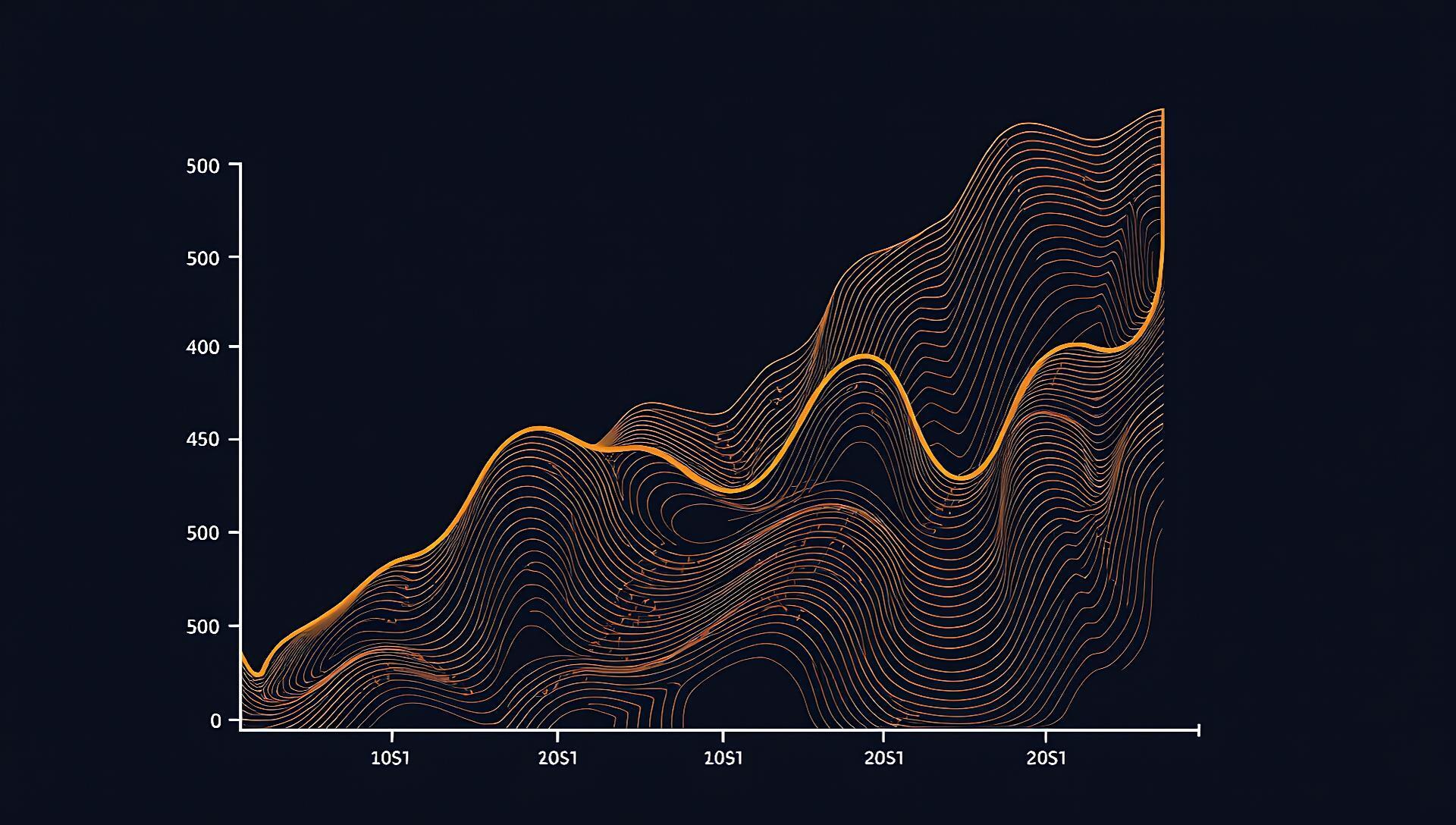
While raw intelligence scores capture headlines, the cost-efficiency frontier is where GPT-6.2 Astra makes its most practical impact. According to the analysis, Astra and Claude Fable 5.2 occupy most of the Pareto-optimal points for both cost and output token length. This means for nearly any performance tier a developer targets, one of these two models offers the best value.
For output-heavy tasks like long-form generation, summarization, or data extraction, Astra's pricing structure provides more tokens per dollar at a high capability level than any other model in the top five. This is a direct utility unlock for production applications where cost control is critical.
Bottom line: Astra isn't just smart; it's the most economically rational choice for high-volume, high-intelligence tasks among frontier models.
Direct Model Comparisons
GPT-6.2 Astra enters a crowded field of frontier models. Its placement becomes clear when compared directly on intelligence and value.
| Feature | GPT-6.2 Astra | Claude Fable 5.2 | Gemini 2.0 Flash | Llama 3.1 405B |
|---|---|---|---|---|
| Intelligence Index | 96.8 (#2) | 100.0 (#1) | 89.1 (#3) | 84.5 (#5) |
| Cost Efficiency | Leader | Co-Leader | Moderate | Low |
| Key Strength | Science, Robotics | Reasoning, Safety | Speed, Multimodality | Open-weight, Coding |
| Access | API | API | API | Self-host/API |
The table shows a bifurcated market. Claude Fable 5.2 holds the raw capability crown, while GPT-6.2 Astra matches it closely on intelligence while being the default choice for cost-optimized deployments. Models like Gemini 2.0 Flash trade some capability for much lower latency and cost, positioning them for different use cases.
Who Should (and Shouldn't) Use GPT-6.2 Astra
This model is not a one-size-fits-all solution. Its profile makes it ideal for specific audiences.
Use GPT-6.2 Astra if you:
- Run high-volume agentic workflows requiring strong reasoning, where cost-per-task directly impacts viability.
- Need state-of-the-art performance in scientific or technical domains but have budget constraints Claude Fable 5.2 cannot meet.
- Are already integrated with the OpenAI API ecosystem and want to upgrade from GPT-4-class models without a pricing surprise.
Avoid GPT-6.2 Astra and look elsewhere if you:
- Require the absolute highest accuracy regardless of cost (choose Claude Fable 5.2).
- Need sub-second latency for chat or real-time applications (choose a smaller, faster model like Gemini 2.0 Flash).
- Operate under strict data governance requiring on-premises deployment (choose a leading open-weight model like Llama 3.1 405B).
How to Implement It Now
Accessing GPT-6.2 Astra requires no new infrastructure. It's available via the standard OpenAI API.
For existing OpenAI users, implementation is a one-line change in your API call, switching the model identifier to gpt-6.2-astra. New users should start in the OpenAI Playground to test prompts before moving to programmatic access.
Current API pricing and detailed rate limits are available on the OpenAI pricing page. Always check here, as pricing adjusts frequently."API Implementation Code Sample"
# Python example using the OpenAI client
from openai import OpenAI
client = OpenAI()

response = client.chat.completions.create(
    model="gpt-6.2-astra",
    messages=[
        {"role": "user", "content": "Your complex prompt here."}
    ],
    temperature=0.7,
    max_tokens=2048
)
print(response.choices[0].message.content)
The Verdict on the New Number Two
GPT-6.2 Astra represents a strategic move by OpenAI to compete on the value axis while nearly matching the peak capability of its rival. It acknowledges that for most enterprises, the model at the very top of the benchmark is irrelevant if its cost makes scaling prohibitive.
The benchmark data signals a consolidation at the top. For the first time, two models from different labs have broken away from the pack on aggregate intelligence. The immediate competition is now a two-horse race between raw power (Claude) and balanced efficiency (GPT-6.2 Astra), forcing other players to either compete on niche capabilities or drastically lower costs.
This development pushes the frontier model market toward maturity, where differentiation is as much about economics and deployment flexibility as it is about a single percentage point on a benchmark.






Top comments (0)