

A developer reverse-engineered the TikTok mobile app to extract post metadata, detailing a complete working method for under $20 in total costs, as flagged in a recent Hacker News discussion. The technique bypasses official APIs by combining the Hermes JavaScript engine, the REA reverse engineering assistant, and the GLM 5.3 large language model.
Tools: Hermes | REA | GLM 5.3
Total Cost: < $20 | Core Task: Mobile app reverse engineering for data extraction
How the TikTok Scraping Stack Works
The method targets the TikTok Android application package (APK). Developers typically decompile APKs to analyze Java/Smali code, but understanding obfuscated logic is time-consuming. This workflow uses AI to accelerate the reverse engineering process.
First, the Hermes engine executes the app's bundled JavaScript code. TikTok, like many React Native apps, packages business logic in Hermes bytecode. Extracting and running this code reveals network request signatures and API parameters.
The REA (Reverse Engineering Assistant) tool then analyzes the app's binary and runtime behavior. It helps identify key functions and data structures within the native code.
Finally, the GLM 5.3 LLM interprets the decompiled code and technical findings. The developer used it to explain complex code snippets and generate the final Python scraping script based on the reverse-engineered API calls. The total cost for API calls to GLM and other services remained under $20.
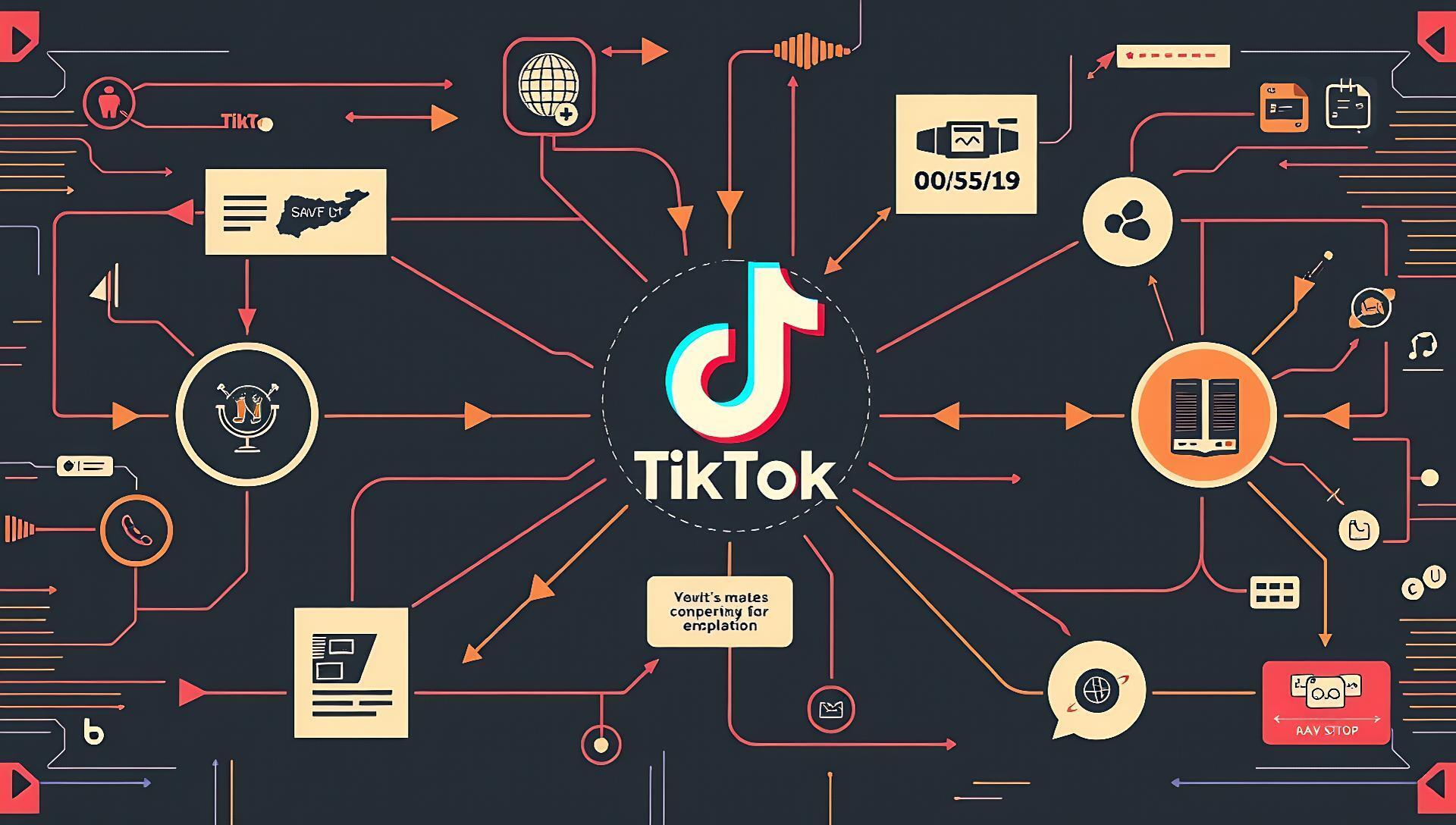
The Cost Breakdown and Technical Lift
The primary expense is compute for AI analysis, not infrastructure. The Hacker News post specifies the total cost is "less than $20," covering LLM API calls and minimal cloud runtime. The technical investment is significant, requiring hours of manual analysis even with AI assistance.
This cost is negligible compared to commercial scraping services but requires expert-level skill in mobile security and software reversing. There is no ongoing per-query cost once the script is built, unlike API-based solutions.
| Cost Component | Approx. Cost | Note |
|---|---|---|
| GLM 5.3 API Calls | $10-$15 | For code analysis and script generation |
| Cloud Runtime / Misc. | < $5 | For running Hermes/REA |
| Total | < $20 | One-time development cost |
Step-by-Step: Replicating the Process
The process is not plug-and-play. It requires a development environment capable of handling Android APKs and JavaScript engines.
- Acquire the APK: Download the TikTok APK from a trusted source like APKMirror.
- Decompile & Inspect: Use tools like JADX to decompile the APK into Java source. Locate the Hermes bytecode bundles.
- Execute with Hermes: Use the open-source Hermes engine to run the extracted bytecode, tracing network calls.
- Analyze with REA: Use REA to map out the app's native functions related to network activity.
- Query with GLM: Feed complex code sections to GLM 5.3 via its API, asking for explanations and Python code to replicate the API requests.
- Build the Scraper: Implement the generated Python script using
requestsoraiohttp, mimicking the discovered headers and parameters.
Bottom line: A technically intensive, one-time process that trades high developer skill for low recurring cost.
Pros and Cons of This Approach
This method exists in a legal and ethical gray zone but presents clear technical tradeoffs.
Advantages:
- Extremely Low Operational Cost: No per-request fees after development.
- Access to Unofficial Data: Can potentially access data points not available in TikTok's official Developer API.
- Bypasses API Limits: Avoids the strict rate limiting and approval processes of official channels.
Disadvantages:
- High Technical Barrier: Requires expertise in reverse engineering and mobile security.
- Legal Risk: Violates TikTok's Terms of Service and may contravene computer fraud laws like the CFAA.
- Fragile: Any update to the TikTok app can break the scraping logic, requiring re-analysis.
- No Official Support: No guarantee of data accuracy or uptime.
Alternatives for TikTok Data Collection
For most projects, official or commercial alternatives are safer and more practical. The developer's method is a last resort for specific research needs where other options fail.
| Feature | Official TikTok API | Commercial Scraper (e.g., Apify) | This Reverse-Engineering Method |
|---|---|---|---|
| Cost | Free (with limits) | ~$50-500/month | < $20 (one-time) |
| Scale | Limited by quota | High, managed | Unclear, risk of IP ban |
| Legality | Fully Compliant | ToS-violating but managed | Clear ToS Violation |
| Maintenance | TikTok maintains | Provider maintains | You maintain |
| Skill Required | Low (API integration) | Low (using a service) | Very High |
Official TikTok API: The legitimate path for research and integration, offering structured data with clear quotas.
Commercial Scraping Platforms: Services like Apify's TikTok Scraper or Bright Data handle proxy rotation and anti-bot evasion for a fee, abstracting away the technical complexity.
Who Should Use This Method
This guide is useful for a narrow audience and risky for most.
Consider this approach if: You are a security researcher studying app behaviors, an academic with a non-commercial, IRB-approved study where the official API is insufficient, or a developer learning advanced reverse engineering techniques in a controlled, legal environment.
Avoid this approach if: You are building a commercial product, need reliable, ongoing data, lack deep reverse engineering skills, or are concerned about legal liability. For most data needs, the official API or a paid commercial scraper is the correct choice.
Bottom line: A proof-of-concept that prioritizes cost over every other concern—legality, stability, and ease of use.
"Legal and Ethical Context"
Scraping public data is a legally complex area. U.S. courts have sent mixed signals, but violating a site's Terms of Service can be a factor in litigation under laws like the Computer Fraud and Abuse Act (CFAA). The hiQ Labs v. LinkedIn case initially favored scraping public data, but subsequent rulings have narrowed that precedent. Ethical considerations include server load, user privacy (even for public data), and the intent of data use. Always consult legal counsel before scraping at scale.
The technique underscores a persistent tension: the AI and research community's hunger for large, real-world datasets versus platforms' tightening control over their APIs. As LLMs like GLM 5.3 lower the skill barrier for code analysis, platform defenses will inevitably adapt, accelerating the arms race for data access.




Top comments (0)