
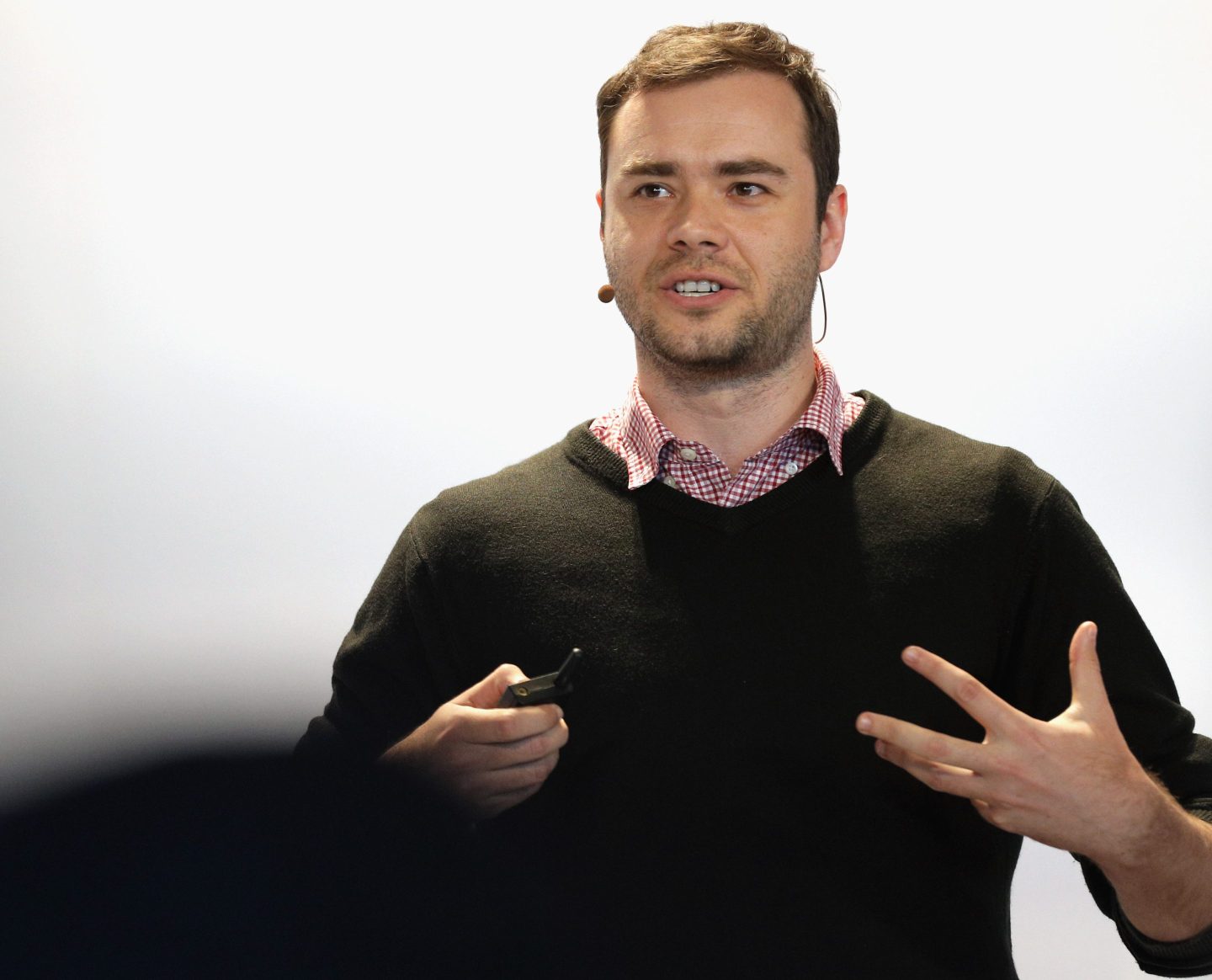

Andrej Karpathy, former AI director at Tesla and OpenAI, recently described "AI Psychosis" as an obsessive fixation among developers on AI hype, potentially leading to irrational decisions and burnout. This term highlights how the rapid pace of AI advancements is overwhelming professionals, with Karpathy predicting it will soon affect everyday users.
This article was inspired by "Karpathy says developers have 'AI Psychosis.' Everyone else is next" from Hacker News.
Read the original source.
What AI Psychosis Means for Developers
Karpathy defines AI Psychosis as a state where developers prioritize chasing trends over practical outcomes, citing examples like overhyping unproven models. The Hacker News discussion notes this affects productivity, with developers spending excessive time on experimental tools rather than core tasks. A 2023 survey by Stack Overflow found that 72% of developers feel overwhelmed by AI tools, supporting Karpathy's claim.
Bottom line: AI Psychosis could reduce developer efficiency by diverting focus from reliable work to speculative hype.

HN Community Reactions
The post on Hacker News received 13 points and 3 comments, indicating moderate interest. Comments highlighted concerns about AI's role in mental health, with one user noting that developers face pressure from investor expectations, leading to longer work hours. Another praised Karpathy's insight but questioned if AI Psychosis is unique to tech or a broader societal issue.
- Early testers report similar experiences in AI startups, where teams pivot frequently based on hype.
- One comment linked it to the "productivity paradox," where AI tools add complexity instead of simplifying workflows.
- Discussions suggested solutions like better education on AI limitations to mitigate effects.
Implications for the AI Field
This phenomenon extends beyond developers, as Karpathy warns it could impact general users through misinformation in AI applications. For instance, tools like ChatGPT have led to over-reliance, with a 2024 Pew Research study showing 58% of adults trusting AI advice without verification. AI practitioners must address this to maintain trust, especially in high-stakes areas like healthcare.
"Technical context"
Karpathy's background includes leading AI at OpenAI, where he worked on projects like GPT-2, which amplified public hype. This context underscores how internal industry pressures contribute to AI Psychosis, potentially skewing innovation priorities.
In conclusion, Karpathy's warning signals a need for balanced AI development, with data showing that unchecked hype could lead to widespread inefficiencies and ethical lapses in the next few years.






Top comments (0)