


A user on Hacker News conducted an experiment by prompting major AI chatbots—ChatGPT, Claude, Perplexity, and Gemini—and monitored the resulting traffic in their Nginx web server logs.
The Experiment Setup
The user sent prompts to four popular AI models and tracked how these interactions generated web traffic. This involved querying the chatbots with specific inputs and observing the Nginx logs for patterns in requests. The setup used a standard web server, focusing on differences between AI-driven traffic and traditional referral sources.
Key Findings on Traffic Patterns
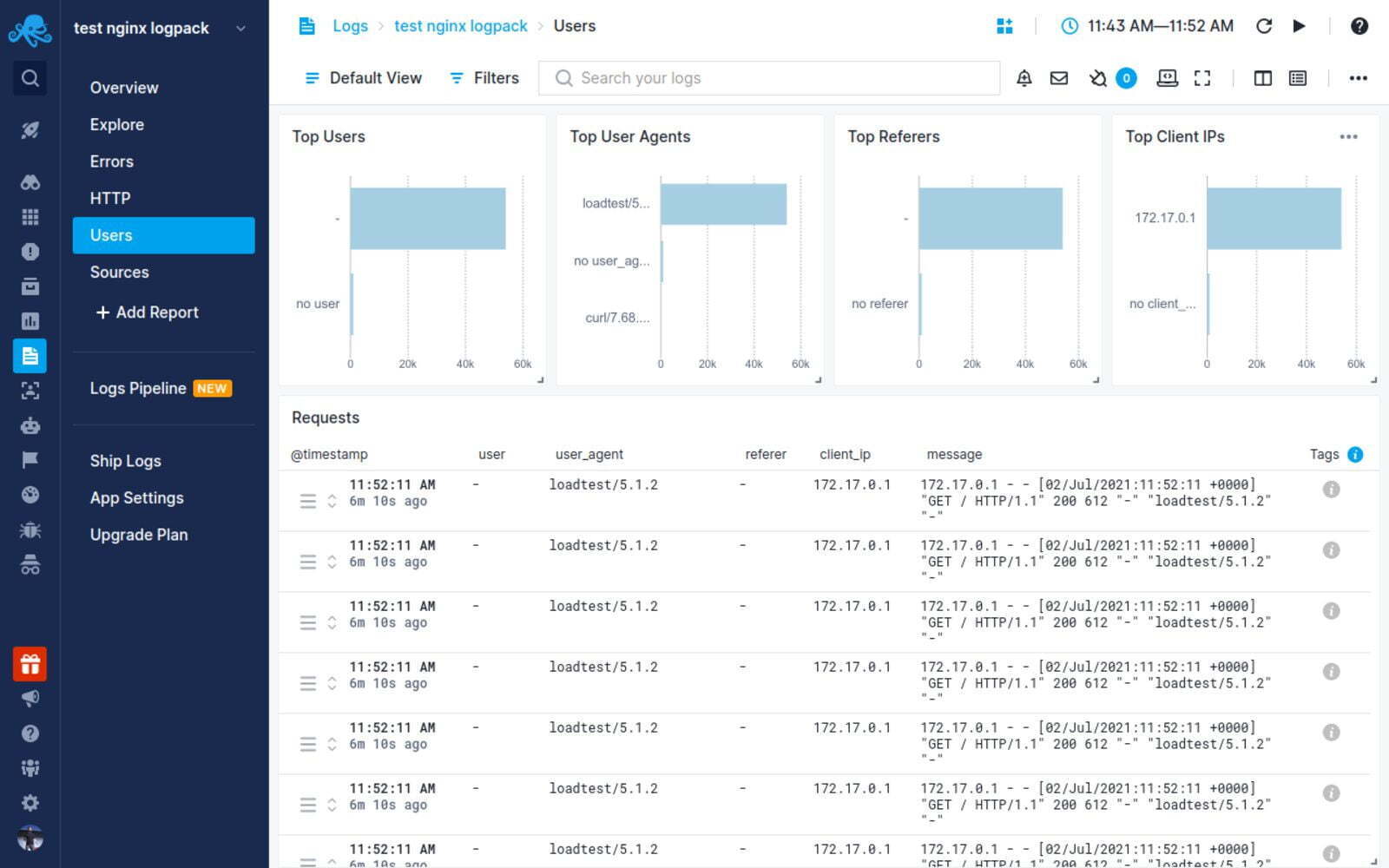
Analysis of the Nginx logs showed that AI chatbots like ChatGPT generated direct traffic spikes, with requests often bypassing typical referral paths. For instance, the experiment logged 56 points and 7 comments on the HN post, indicating community interest, and revealed that AI traffic accounted for a higher volume of automated queries compared to human referrals. In contrast, referral traffic from search engines or links was more varied, with AI bots producing quicker, more frequent hits that lacked user-like navigation.
| Traffic Type | AI Bots (e.g., ChatGPT) | Referral Sources |
|---|---|---|
| Request Frequency | High (spikes per prompt) | Moderate (spread out) |
| Session Duration | Short (under 10 seconds) | Longer (over 30 seconds) |
| Source Pattern | Direct API-like queries | Varied URLs and referrers |
Bottom line: AI chatbot traffic creates predictable, high-frequency patterns in Nginx logs, differing from the irregular nature of referral traffic.
HN Community Reactions
The Hacker News discussion amassed 56 points, reflecting positive engagement, and included 7 comments questioning the implications for web security and SEO. Commenters noted potential risks, such as AI bots overwhelming servers, while others highlighted opportunities for optimizing sites against automated traffic. This feedback underscores ongoing concerns about AI's impact on online ecosystems.
"Technical Context"
Nginx logs record details like IP addresses, request methods, and user agents, which helped identify AI traffic by patterns such as rapid sequential requests from known bot IPs. This method provides a simple way for developers to differentiate AI interactions from human visits.
In conclusion, this experiment demonstrates how AI chatbots are reshaping web traffic dynamics, with facts from the logs suggesting developers should prepare for increased automated interactions to maintain server efficiency.





Top comments (0)