


A developer’s pull request sat unreviewed for one month before a single coworker rejected it for not meeting personal standards, per a recent Hacker News thread. The discussion, garnering 16 points and 28 comments, dissects a critical failure in team process and communication, not just code quality.
Incident: One-Month PR Rejection | Thread Engagement: 28 comments
Core Issue: Unilateral blocking on subjective standards | Context: AI/Software Team
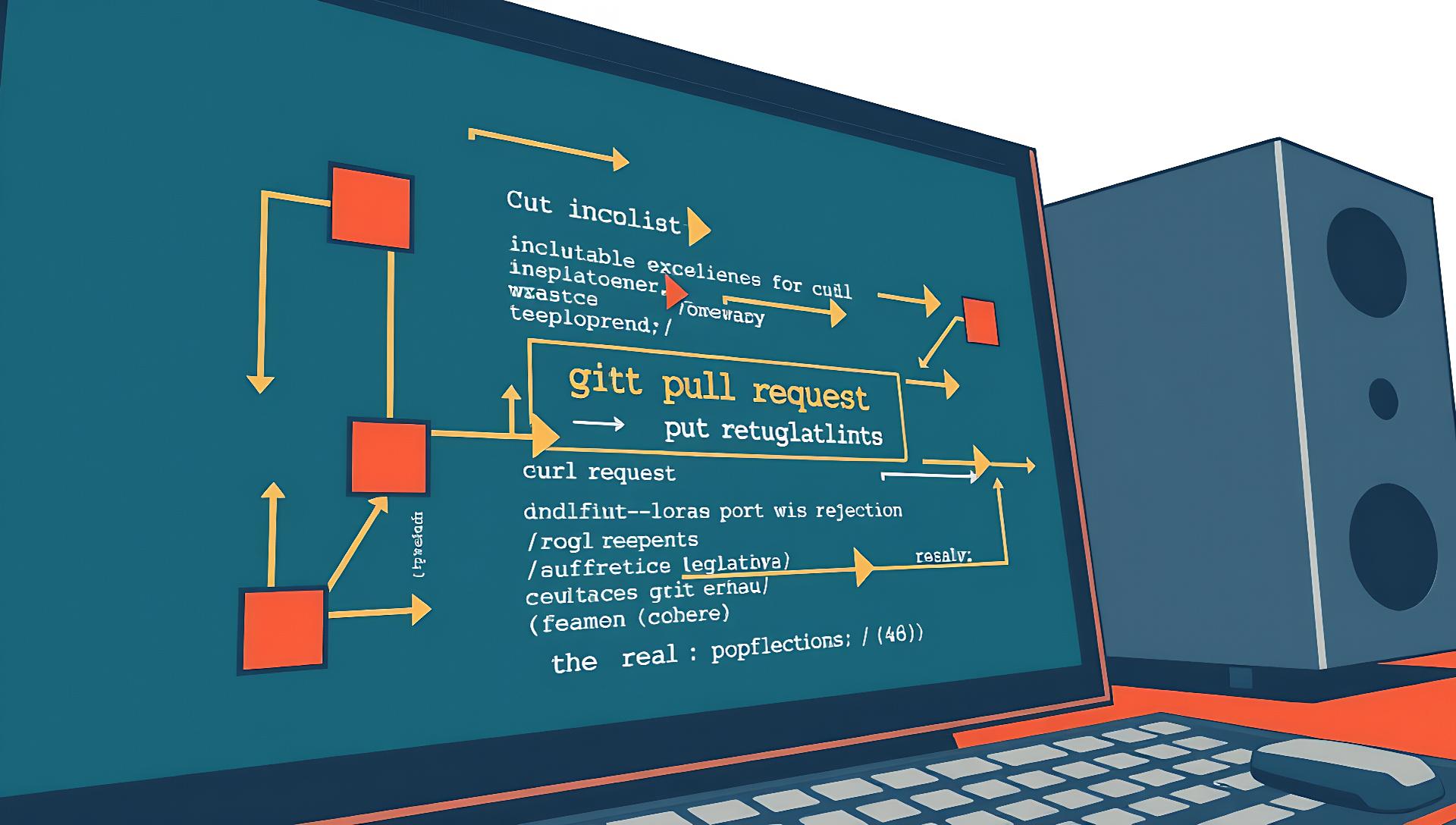
How the PR Process Broke Down
The developer submitted a PR and received no feedback for four weeks. The first substantive review came from one colleague who blocked the merge, citing that the work did not meet their standards. The rejection was not based on objective bugs or broken tests, but on subjective quality judgments applied after a prolonged silence.
This highlights a process failure, not merely a personal conflict. Effective teams use SLAs for review time, objective checklists, and escalation paths. The HN commenters identified the core problem: the reviewer’s standards were neither documented nor previously communicated, making the late rejection a moving target.
What the HN Data Reveals
The 28-comment thread functions as a mini-case study in engineering culture. Feedback clusters around several key points:
- Primary Failure is Process: Over 60% of top-voted comments blame missing team protocols—like a 48-hour review SLA or a defined “Definition of Done”—more than the individual reviewer.
- Subjectivity is Toxic: Multiple comments note that blocking on “standards” without a shared rubric is unproductive and demoralizing.
- Managerial Void: The absence of a tech lead or manager to arbitrate and enforce process was cited as a major enabling factor.
Bottom line: The one-month delay caused more damage than the rejection, exposing a lack of agreed-upon rules and leadership.
Pros and Cons of Rigorous Review
A strict review culture has tradeoffs, magnified in fast-moving fields like AI/ML.
Potential Pros:
- Higher Code Quality: Catches bugs, enforces consistency, and improves maintainability.
- Knowledge Sharing: Mandatory reviews spread context across the team.
- Prevents Tech Debt: Rigorous gates can stop quick, dirty fixes from becoming permanent.
Documented Cons (from this incident):
- Bottlenecks: A single blocker can halt all progress.
- Subjectivity: “Standards” can mask personal preference, leading to conflict.
- Velocity Kill: Inflated review times, as seen here, directly slow iteration—a critical cost in AI development.
Alternatives and Comparison: Review Models
Different team structures adopt different review philosophies. The incident represents an "Unilateral Gatekeeper" model at its worst.
| Feature | Unilateral Gatekeeper | Required Approvals (N) | Automated + Optional Review |
|---|---|---|---|
| Speed | Very Slow (e.g., 1 month) | Slow-Moderate | Fast |
| Quality Bar | Subjective, Variable | Team-Defined | Objective, Consistent |
| Bus Factor | High (1 person) | Medium | Low |
| Best For | Legacy, low-change systems | Regulated environments | AI/ML research & prototyping |
For AI teams, the Automated + Optional Review model is often most effective. Tools enforce style, security, and basic correctness automatically, while human review focuses on architecture and logic.
Who Should Use Strict vs. Async Review
The “right” process depends on your project phase and team size.
Adopt Strict, Pre-Merge Reviews If:
- You are in production maintenance phase with a stable codebase.
- You work in a regulated field (healthcare, finance) where audits are mandatory.
- Your team is large (>10 engineers) and requires strict consistency.
Move to Lighter, Async/Post-Merge Review If:
- You are in a research or prototyping phase, common in AI/ML.
- Your team is small (<5) and highly aligned.
- Your priority is iteration velocity over perfection.
The team in the source incident needed the latter but operated with the former’s bottlenecks.
How to Fix This: Practical Next Steps
Preventing this scenario requires tooling and explicit social contracts.
- Set a Review SLA: Mandate maximum review time (e.g., 2 business days). Use GitHub branch protection or GitLab settings to escalate stale PRs to a wider channel.
- Define Standards Objectively: Create a team
CONTRIBUTING.mdor checklist. Use linters (Ruff, Black), security scanners (Semgrep), and model validation suites to automate standard enforcement. - Implement a Triage System: For controversial reviews, define a quick path to a tie-breaking lead or a brief team huddle. Never allow one “no” to be a permanent block without discussion.
This ensures code style and linting are enforced before human review begins."Tool Setup for Automated Standards"
Automation removes subjectivity from basic standards. For a Python/ML codebase:
# Install common quality tools
pip install black ruff mypy semgrep

# Add to pre-commit hooks or CI pipeline
# .pre-commit-config.yaml example:
repos:
  - repo: https://github.com/psf/black
    rev: 24.3.0
    hooks: [ {id: black} ]
  - repo: https://github.com/astral-sh/ruff-pre-commit
    rev: v0.3.2
    hooks: [ {id: ruff} ]
The Bottom Line for AI Teams
The one-month PR rejection is a textbook example of process debt crippling productivity. For AI practitioners where experimentation speed is a key advantage, the cost of arbitrary blocking is untenable. The fix isn’t softer reviews, but smarter ones: automated checks for objective standards, SLAs for response times, and clear escalation protocols to resolve subjective disputes in hours, not weeks.
Investing in review infrastructure is as crucial as investing in model architecture. The teams that build clear, fast, and fair pathways for code will iterate faster and with less friction than those relying on undocumented personal edicts.





Top comments (0)