

Hey fellow prompt engineers,
I’ve been deep in the text-to-video game lately, testing countless models for client projects and personal experiments. Two models from Alibaba kept coming up in my workflow: HappyHorse 1.0 and Wan 2.6.
After running them through dozens of real prompts — from simple product shots to cinematic storytelling — I wanted to share a practical, no-fluff comparison focused on what actually matters when you’re crafting prompts.
Quick Breakdown of the Two Models
HappyHorse 1.0 is Alibaba’s newer, fast-moving contender. It uses a unified architecture that handles text, visuals, and audio in one go. It’s built for speed and efficiency, making it feel like a “prompt and go” tool.
Wan 2.6 is the more established player in Alibaba’s lineup. It leans toward higher fidelity, better control, and production-grade output. It’s the one you reach for when you need precision and polish.
My Hands-On Prompt Testing Experience
Prompt Following & Creativity
HappyHorse 1.0 responds surprisingly well to natural, descriptive prompts. It understands cinematic directions like “slow dramatic push-in with golden hour lighting” quite reliably. The results often feel fresh and dynamic.
Wan 2.6 needs a bit more structured prompting but rewards detailed instructions. When I gave it clear scene descriptions and reference styles, it delivered more consistent and refined outputs.
Motion Quality & Realism
HappyHorse tends to produce lively, modern motion that works great for social content. Wan 2.6 excels at realistic physics — cloth movement, liquid, camera dynamics — making it feel more “filmic.”
Audio & Lip-Sync
This is where HappyHorse 1.0 really shines. Its native audio generation and lip-sync are noticeably more accurate and emotionally connected. For dialogue-heavy prompts, it saves a lot of post-production headache.
Wan 2.6 supports audio too, but the sync and natural flow aren’t quite at the same level yet.
Control & Consistency
If your prompt involves maintaining the same character across shots or precise style matching, Wan 2.6 is stronger. It handles multi-reference prompts and iterative refinements better.
Prompting Tips I Learned from Testing Both
For HappyHorse 1.0:
- Be vivid and cinematic in your descriptions
- Mention mood, lighting, and camera movement early
- It loves concise but emotionally rich prompts
For Wan 2.6:
- Provide clear structure (subject, action, style, technical details)
- Use reference images when possible
- Specify physics and camera techniques for best results
When to Choose Which Model
Choose HappyHorse 1.0 when you want:
- Fast social media content (Reels, Shorts, TikTok)
- Strong native audio and lip-sync
- Quick ideation and high volume
- Excellent cost efficiency
Choose Wan 2.6 when you need:
- Higher visual fidelity and realism
- Complex scenes with accurate physics
- Brand-consistent characters
- More professional, polished results
Best Way to Test Them Right Now
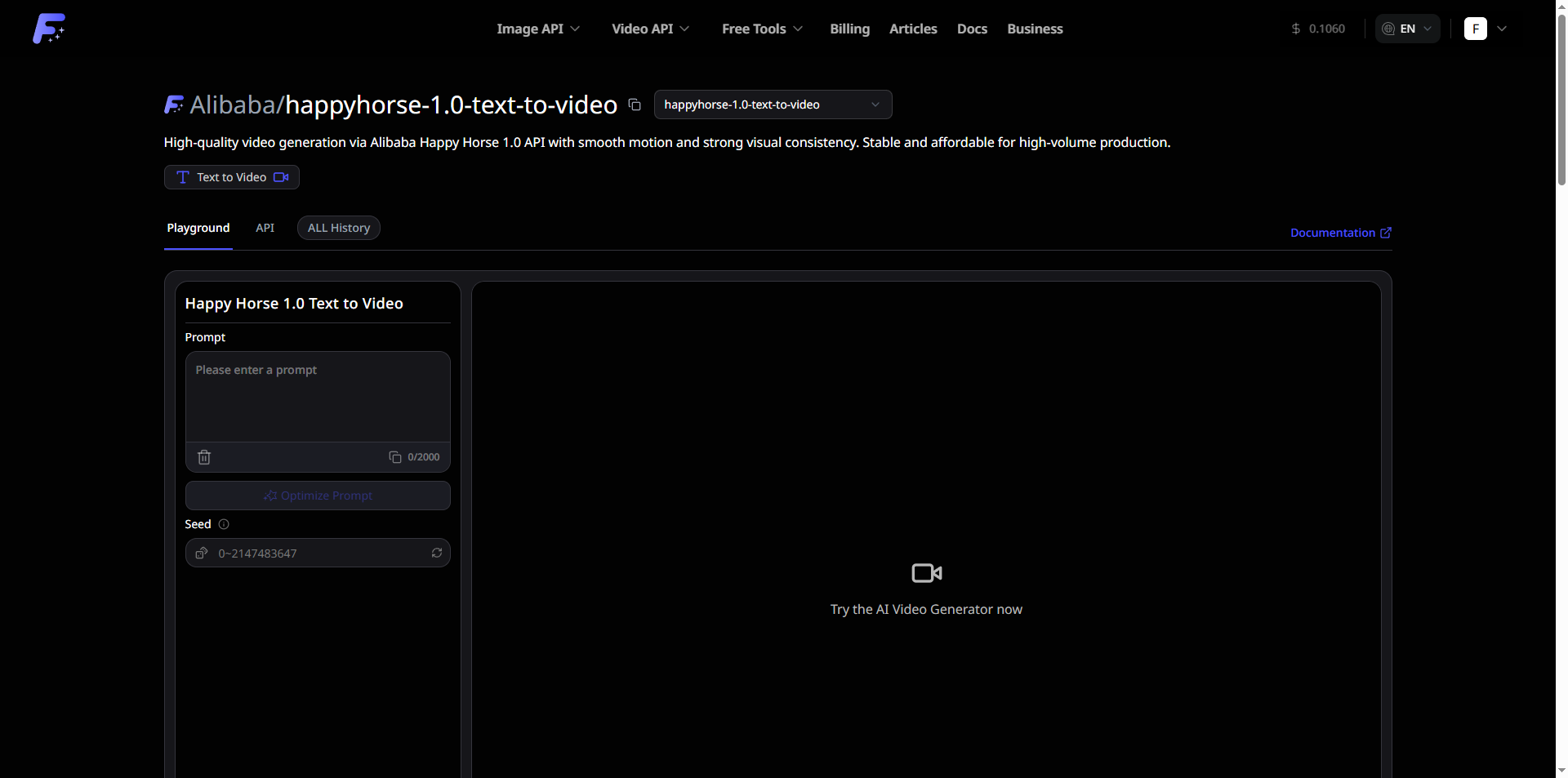
The easiest and most reliable way I’ve found to experiment with both is through Flaq AI. The platform gives clean, fast access without any server management hassle.
You can try:
Flaq AI has become my go-to for quick testing and comparison because of its simple interface and solid performance.
Final Thoughts
There isn’t a single “best” model — it really depends on what kind of prompts you’re writing and what final output you need.
HappyHorse 1.0 feels like the energetic, efficient choice for everyday creation.
Wan 2.6 feels like the refined craftsman when quality and control matter most.
I’ve started keeping both in my toolkit and switching based on the project. That combination has been working really well so far.
What about you?
Have you tried HappyHorse 1.0 or Wan 2.6 yet? Which prompting style works better for you?
Drop your favorite prompts or experiences in the comments — I’d love to see what’s working in the community.






Top comments (0)