
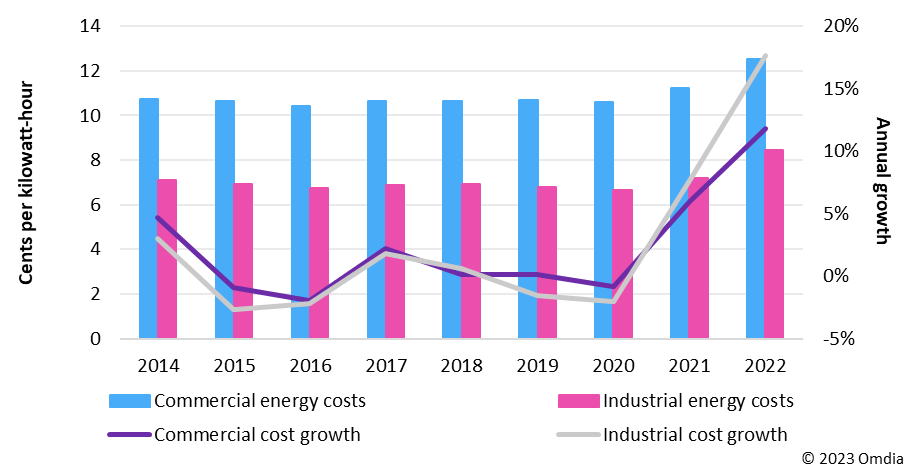

DeepSeek V4 will launch in mid-July with a new peak-valley pricing structure, according to coverage on KuCoin News. The change drew 35 points and 22 comments on Hacker News.
What Peak-Valley Pricing Means
Peak-valley pricing charges different rates depending on demand periods. Higher prices apply during peak hours; lower rates apply during off-peak windows. DeepSeek has not published exact time bands or rate differentials yet.
The model follows patterns already used by some cloud providers for compute resources. Users running batch jobs can shift workloads to cheaper windows to reduce spend.
How It Works for Inference
Developers submit requests through the DeepSeek API. The system applies the current period rate at request time. No code changes are required beyond monitoring usage timestamps.
Early comments on Hacker News note that predictable scheduling becomes important. Teams with flexible pipelines can route jobs to valley periods automatically.
Pros and Cons
- Lower costs possible for workloads shifted to off-peak hours
- No change to model quality or output speed
- Requires usage tracking by time of day
- Unclear rate spread between peak and valley tiers
- Limited benefit for real-time applications that cannot delay
Alternatives and Comparisons
Other providers use flat per-token pricing. The table below shows current public rates for comparable models.
| Provider | Pricing Model | Typical Cost per 1M tokens | Time-based Discounts |
|---|---|---|---|
| DeepSeek V4 | Peak-valley | Not yet published | Yes |
| OpenAI GPT-4o | Flat | $2.50 / $10.00 | No |
| Anthropic Claude 3.5 | Flat | $3.00 / $15.00 | No |
| Groq Llama 3 70B | Flat | $0.59 / $0.79 | No |
Who Should Use This
Teams running large nightly batches or fine-tuning jobs benefit most. Real-time chat products or latency-sensitive services gain little from valley rates. Organizations already using multiple providers can add DeepSeek as a low-cost option during off-peak windows.
Bottom Line / Verdict
Peak-valley pricing gives cost-conscious users a lever to cut inference spend if they can schedule flexibly, while leaving real-time use cases unaffected.
The structure rewards operational discipline over raw model performance.






Top comments (0)