
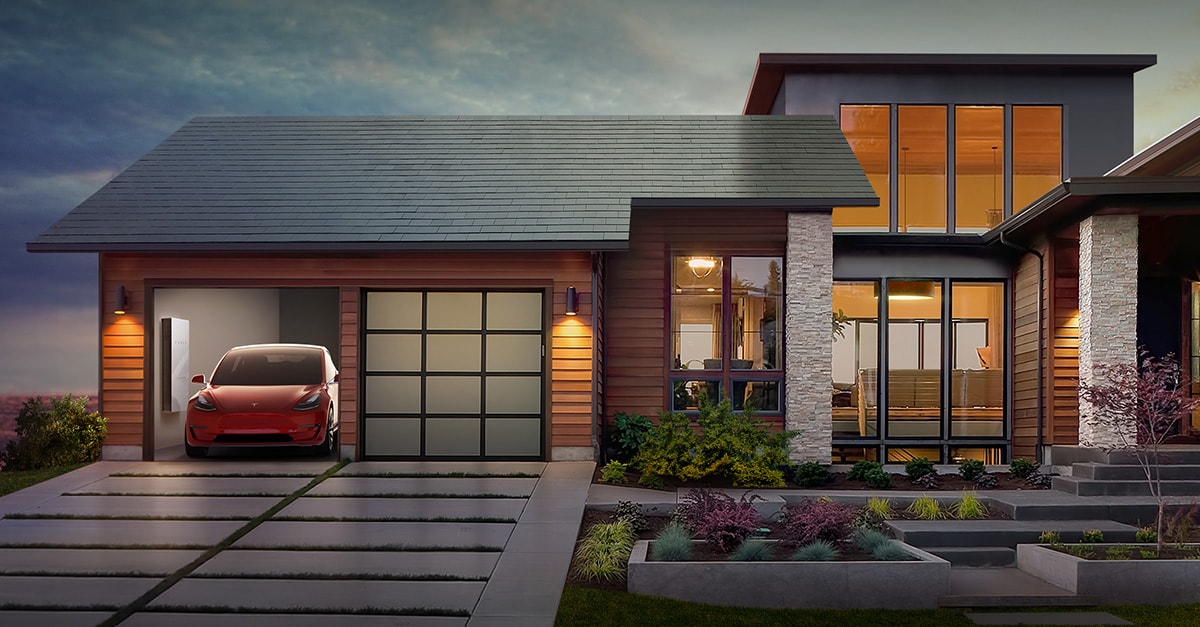

Energy prices in Europe are climbing sharply due to factors like the Iran war, sparking a rush toward solar panels and heat pumps, as flagged in a Hacker News discussion with 28 points and 13 comments [https://www.nytimes.com/2026/05/08/business/europe-solar-panels-iran-war.html].
This trend highlights how global events are accelerating the shift to renewables, directly impacting AI practitioners who run energy-intensive data centers and models.
What This Trend Involves
Rising energy costs, driven by geopolitical tensions such as the Iran war, are pushing consumers and businesses in Europe to adopt solar panels and heat pumps for cost savings. Solar panels convert sunlight into electricity with efficiencies up to 22% in modern models, while heat pumps transfer heat rather than generate it, reducing household energy use by 30-50% compared to traditional systems. This movement isn't just environmental; it's a practical response to price spikes, with European energy bills rising 20-30% in the past year, per the New York Times report.
Benchmarks and Key Numbers
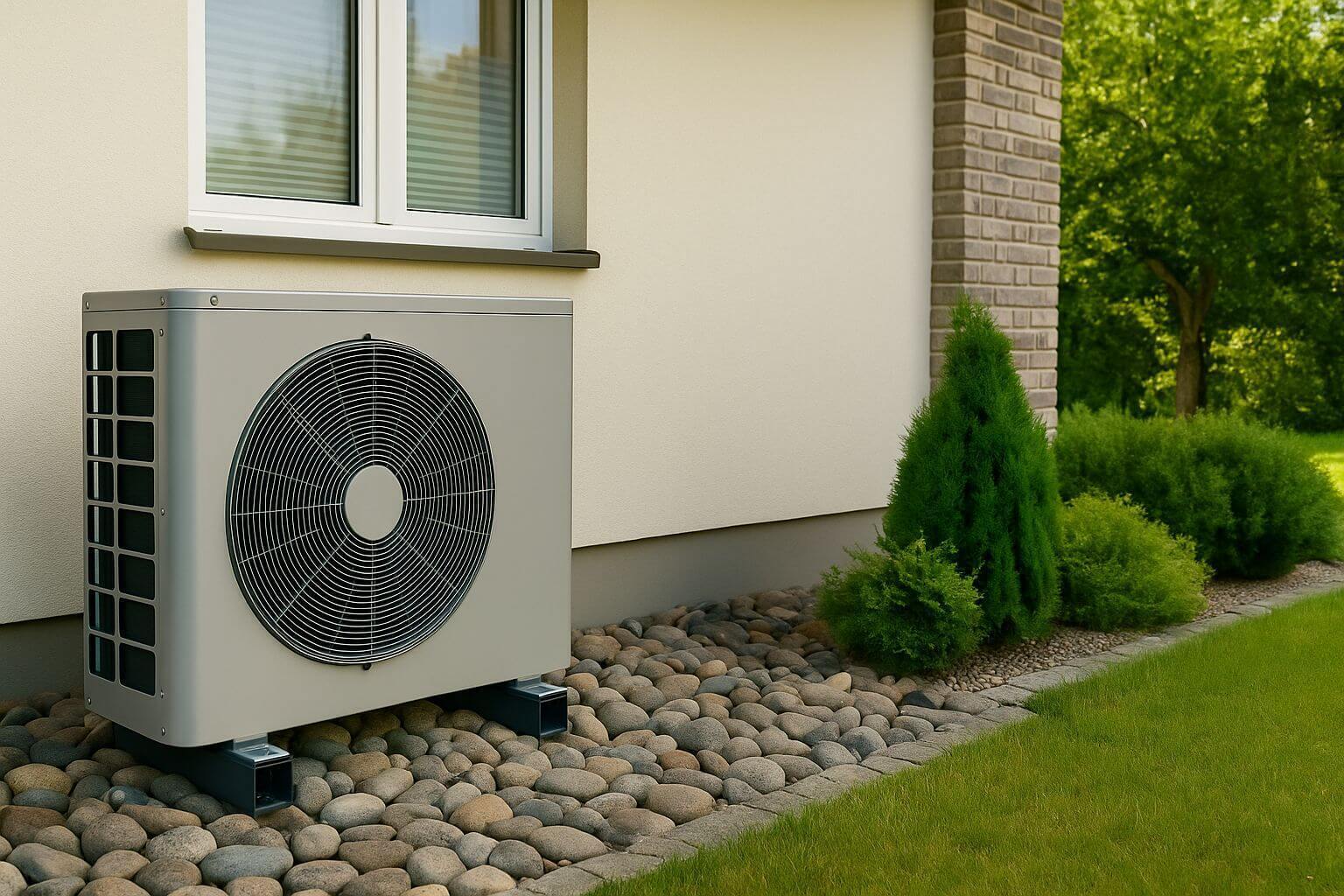
The Hacker News thread cited specific data: demand for solar installations in Germany jumped 49% in 2025, linked to a 15% year-over-year increase in electricity prices. Heat pumps saw a 25% uptake in the EU, backed by government subsidies covering up to 40% of costs in some regions. For comparison, solar panel costs have dropped 89% since 2010, making them viable for homes with annual outputs of 3,000-5,000 kWh, while heat pumps operate at coefficients of performance (COP) ranging from 3 to 4, meaning they deliver 3-4 units of heat per unit of electricity.
| Metric | Solar Panels (Average) | Heat Pumps (Air-Source) |
|---|---|---|
| Installation Cost | $2,500-$5,000 per kW | $3,000-$8,000 per unit |
| Energy Savings | 20-30% annually | 30-50% on heating |
| Payback Period | 5-10 years | 7-15 years |
| CO2 Reduction | 1,000-2,000 kg/year | 500-1,500 kg/year |
Bottom line: These numbers show solar and heat pumps deliver tangible ROI amid rising costs, with payback periods shortening as prices climb.
How to Try It
Start by assessing your energy needs with free online calculators from the U.S. Department of Energy [https://www.energy.gov/eere/calculator], which estimate potential savings based on your location and usage. For solar, install panels via certified providers like SunPower [https://us.sunpower.com], with setup involving a site survey, permit acquisition (1-2 months), and grid connection. AI tools like Google's Project Sunroof [https://www.google.com/get/sunroof] can optimize this by analyzing your roof's solar potential using satellite data, recommending the best panel placement in minutes.
For heat pumps, choose models from brands like Daikin [https://www.daikin.com] and pair them with AI-driven thermostats such as Nest [https://store.google.com/product/nest_thermostat], which learn usage patterns to cut energy by 10-15%. Practical next steps: budget $5,000-$10,000 for a basic setup, check local rebates (e.g., up to $2,000 from the Inflation Reduction Act [https://www.irs.gov/credits-deductions]), and monitor performance with apps that track real-time efficiency.
"Full Installation Tips"
Pros and Cons
Solar panels offer reliable, low-maintenance power generation, slashing grid dependency by up to 70% in sunny regions, but they require significant upfront investment and underperform in cloudy areas. Heat pumps provide year-round heating and cooling with 40% lower emissions than gas furnaces, yet their efficiency drops in extreme cold, potentially increasing costs by 10-20% in sub-zero temperatures.
- Pros: Both technologies reduce bills by 25-40% annually and lower carbon footprints, appealing to AI firms tracking sustainability metrics.
- Cons: Initial costs can reach $10,000+, and reliance on weather means inconsistent output, with solar panels idle during nighttime or storms.
Alternatives and Comparisons
Beyond solar and heat pumps, alternatives include wind turbines or battery storage systems like Tesla Powerwalls, which store excess solar energy for 1-2 days of backup. Compared to solar, wind turbines generate 2-3 times more power in windy locales but cost 50% more upfront and require more space.
| Feature | Solar Panels | Heat Pumps | Tesla Powerwall |
|---|---|---|---|
| Initial Cost | $2,500/kW | $3,000/unit | $9,000/unit |
| Annual Savings | 20-30% | 30-50% | 15-25% |
| Maintenance | Low (every 5 years) | Moderate (yearly) | High (battery replacement every 10 years) |
| AI Integration | Yes (smart monitoring) | Yes (thermostat control) | Yes (app-based optimization) |
AI-specific options, such as Siemens' AI-optimized energy management systems [https://www.siemens.com/energy], outperform these by predicting usage patterns and reducing waste by 15%, making them ideal for data centers.
Who Should Use This
AI developers running large-scale models should adopt solar panels if their facilities consume over 10,000 kWh monthly, as it cuts costs in high-energy regions like California. Skip heat pumps if you're in a mild climate where traditional HVAC suffices, or if your setup lacks space for installation—focus instead on AI tools for virtual energy optimization. Researchers in green AI ethics will find this useful for reducing carbon footprints, but casual users might wait for falling prices.
Bottom Line and Verdict
This energy shift offers AI pros a chance to slash operational costs by 25-40% through renewables, especially amid global price hikes, but success hinges on location and integration with smart tech. Overall, it's a smart move for sustainable AI workflows, potentially setting a standard for eco-friendly computing as energy demands grow.






Top comments (0)