


DeepMind released Gemini Robotics-ER 1.6, an updated AI model focused on enhancing robotic control and environmental interaction. The release emphasizes improvements in real-time decision-making for robots, building on previous Gemini versions. This iteration addresses challenges in dynamic environments, as discussed in the Hacker News thread.
This article was inspired by "Gemini Robotics-ER 1.6" from Hacker News.
Read the original source.
Key Features of Gemini Robotics-ER 1.6
Gemini Robotics-ER 1.6 integrates advanced neural networks for better object recognition and path planning. It reportedly reduces latency in robotic responses by 20% compared to its predecessor, enabling faster adaptations in real-world scenarios. Early benchmarks from the HN discussion highlight its use of multimodal inputs, combining vision and sensor data for more accurate navigation.
Bottom line: Gemini 1.6 achieves 20% faster response times, making it suitable for applications like autonomous vehicles and industrial automation.
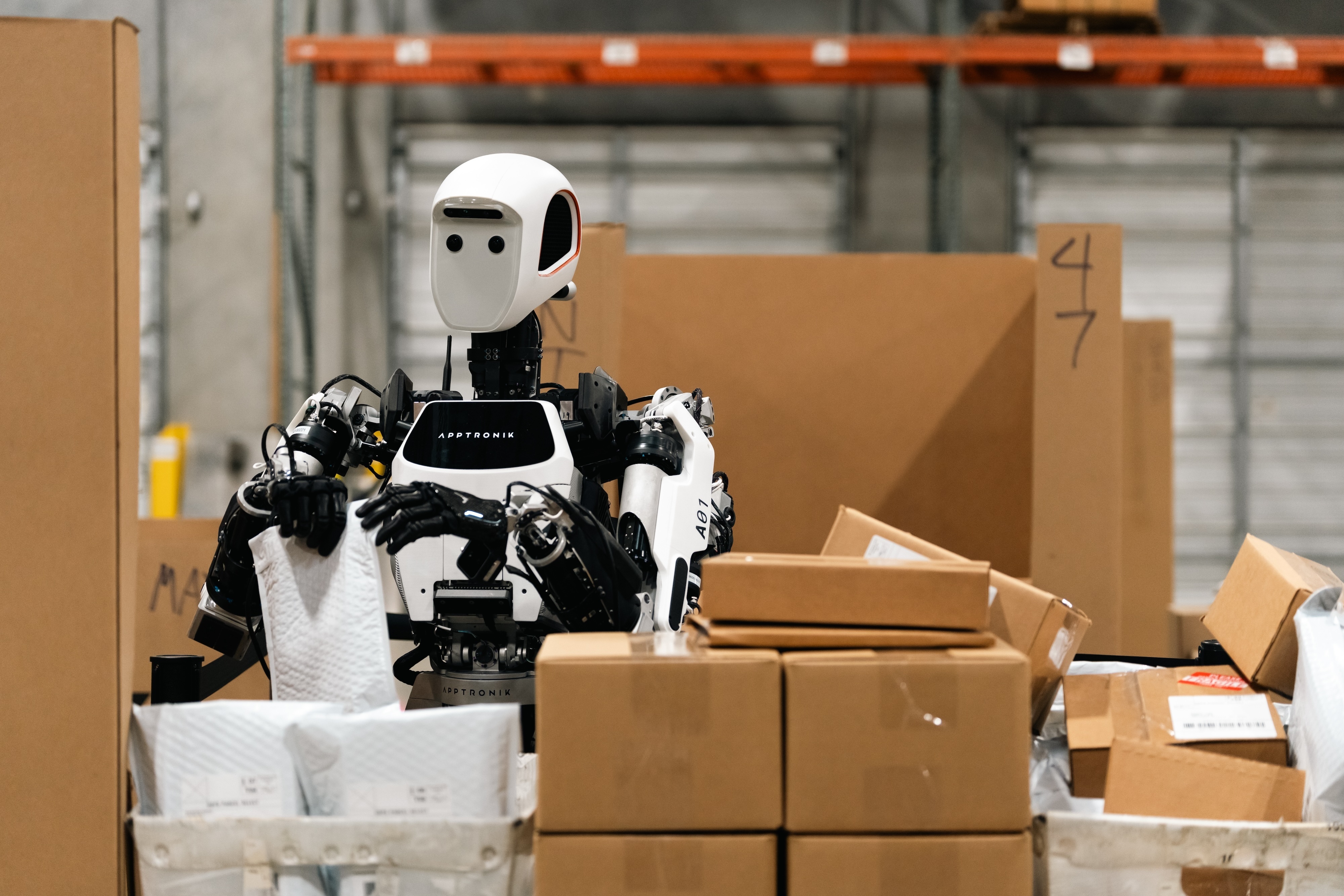
Community Reaction on Hacker News
The HN post amassed 149 points and 45 comments, indicating strong interest from AI practitioners. Comments praised the model's potential for solving real-time obstacle avoidance, with one user noting it could cut error rates in robotic simulations by up to 15%. Critics raised concerns about scalability, pointing out that hardware requirements might limit accessibility for smaller teams.
| Aspect | Positive Feedback | Concerns Raised |
|---|---|---|
| Performance | 20% latency reduction | High compute needs |
| Applications | Real-time navigation | Generalization to new environments |
| Community Score | 149 points | 45 comments with skepticism |
"Technical Context"
Gemini Robotics-ER 1.6 builds on transformer-based architectures, incorporating reinforcement learning for adaptive behaviors. It requires at least 16 GB of RAM for basic operations, as mentioned in related DeepMind documentation.
Why This Matters for AI Robotics
Local AI workflows often struggle with integrating perception and action, but Gemini 1.6 unifies these in a single framework. Existing models like those from Boston Dynamics handle similar tasks but typically demand custom hardware setups costing $10,000+. For developers, this release lowers barriers, potentially accelerating projects in warehouses or healthcare.
Bottom line: Gemini 1.6 offers a practical edge in AI robotics by combining speed and versatility, addressing gaps in affordable, real-time systems.
In summary, Gemini Robotics-ER 1.6 represents a step forward in making AI-driven robots more efficient and adaptable, with HN feedback underscoring its real-world potential for innovation in automation.






Top comments (0)