
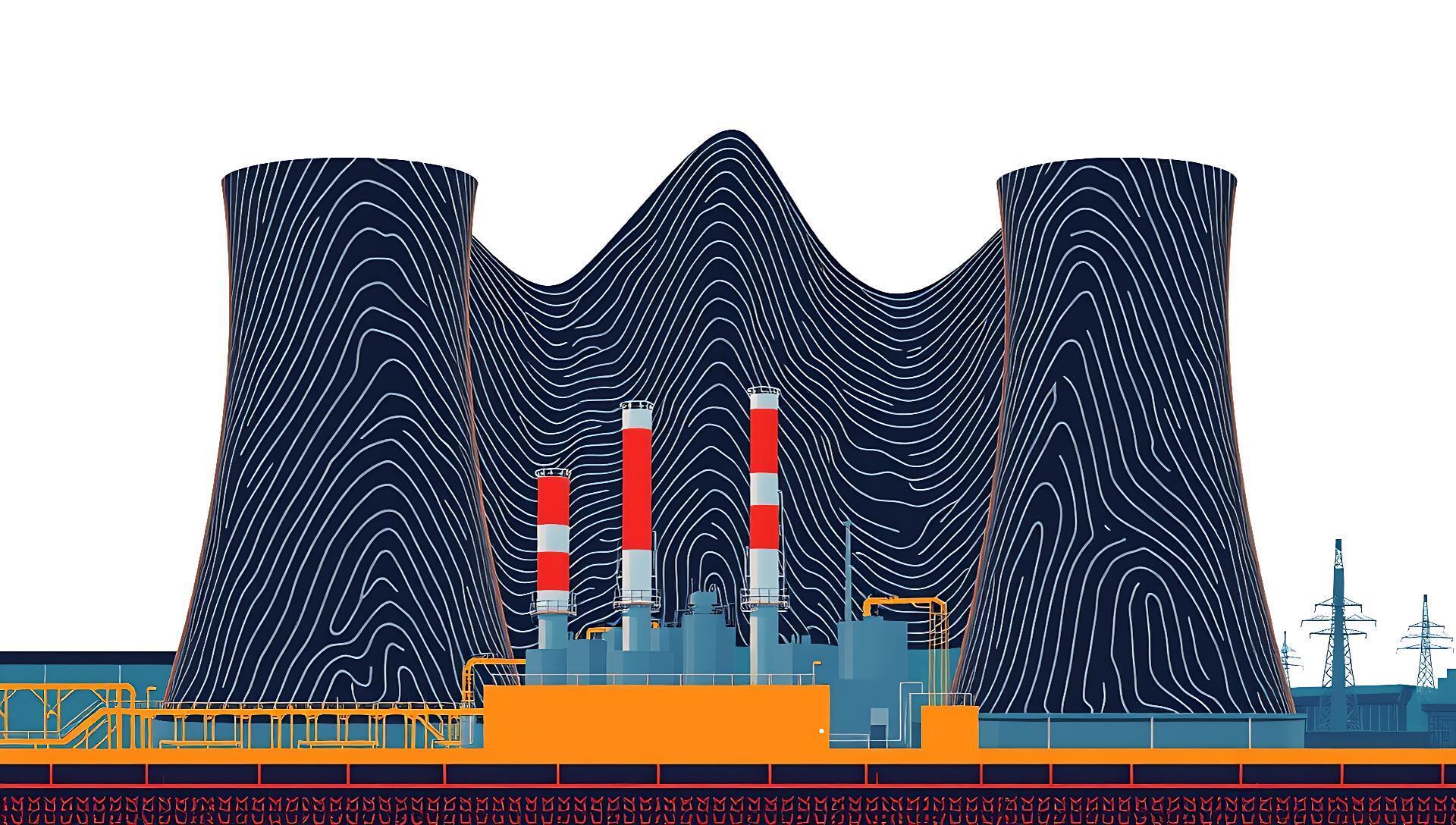

Anthropic has agreed to purchase $3.4 billion worth of gas-fired generators to power its AI data centers, as reported by AI News. The deal secures 1.7 gigawatts (GW) of power capacity, marking the largest known single purchase of power generation equipment by an AI lab and starkly quantifying the industry's massive electricity demands.
Commitment: $3.4 Billion | Power Capacity: 1.7 Gigawatts | Source: Gas-fired Generators
The Scale of AI's Power Problem
A single 1.7 GW power commitment is enough to supply electricity to over 1.2 million average U.S. homes. For context, a cutting-edge AI data center cluster can consume several hundred megawatts—a significant portion of a large city's power grid. This purchase is a direct, capital-intensive solution to the primary bottleneck in scaling AI infrastructure: reliable, high-density electricity.
Anthropic's move follows similar, though smaller, industry trends. Microsoft has faced scrutiny for increasing its natural gas consumption to back up its Azure cloud and AI platforms. The fundamental driver is the power hunger of modern AI hardware; a single NVIDIA H100 GPU has a thermal design power (TDP) of 700 watts, and clusters contain tens of thousands of them.
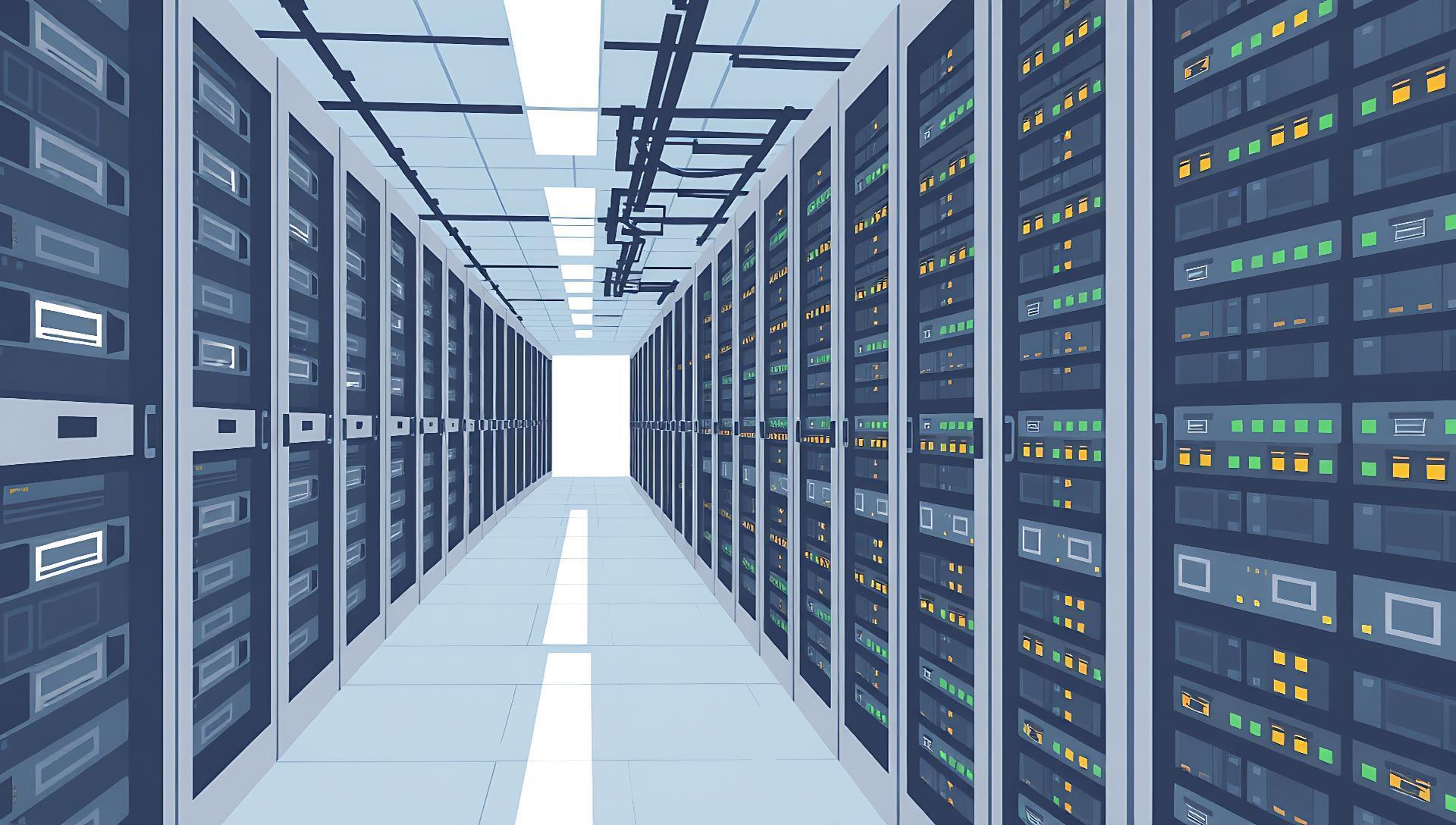
Why Gas, Not Renewables?
For an AI company prioritizing uptime and rapid scaling, gas generators offer three critical advantages over intermittent renewable sources like solar and wind: dispatchability, density, and deployment speed.
Gas plants can be turned on or off to match the 24/7, variable load of AI training runs. Their power output is not subject to weather, providing the grid stability required for billion-dollar training jobs that cannot tolerate interruptions. Furthermore, gas turbines provide extremely high power density—a large amount of electricity from a relatively small footprint—and can be deployed faster than building new nuclear capacity or major grid transmission upgrades.
Bottom line: Gas is the incumbent, on-demand power source that meets the urgent, massive, and reliable electricity needs of scaling AI models today.
The Tradeoffs: Speed vs. Sustainability
The primary tradeoff is environmental. While modern combined-cycle gas plants are cleaner than coal, they still emit roughly 400 grams of CO2 per kilowatt-hour. At full utilization, 1.7 GW of gas capacity could generate millions of metric tons of CO2 annually, conflicting with many tech companies' stated carbon-neutrality goals.
This creates a tension between AI capability scaling and decarbonization timelines. The industry argument is that advanced AI could accelerate climate solutions, but that requires building the energy-intensive infrastructure first. Critics point to this as evidence that the AI boom is locking in fossil fuel dependency for decades.
| Power Source | Avg. Build Time | CO2 Emissions | Dispatchable? | Capacity Factor |
|---|---|---|---|---|
| Gas Peaker Plant | 1-2 years | ~400 gCO2/kWh | Yes | 10-15% |
| Solar Farm | 1-3 years | ~50 gCO2/kWh | No (Diurnal) | 20-25% |
| Wind Farm | 2-4 years | ~15 gCO2/kWh | No (Weather) | 35-45% |
| Nuclear Plant | 7+ years | ~15 gCO2/kWh | Yes (Baseload) | >90% |
Who Should Care About This Move?
This isn't just an energy sector story. For AI practitioners and developers, it signals the real, physical costs of the tools they use. For enterprise buyers evaluating AI vendors, it raises questions about long-term cost sustainability and ESG (Environmental, Social, and Governance) alignment. For policymakers, it underscores the urgent need for grid modernization and clean baseload power to support technological ambitions.
Infrastructure and DevOps engineers should note that power availability will increasingly dictate data center location choices, potentially affecting latency and service regions. Investors see this as a capital expenditure that anchors Anthropic's growth to physical assets, affecting its financial profile compared to cloud-reliant competitors.
Practical Implications and Alternatives
For other AI labs and cloud providers, the paths forward involve difficult choices:
- Follow Anthropic's lead: Secure dedicated fossil fuel generation for reliability, accepting the emissions and potential regulatory risk.
- Aggressive renewables + storage: Pair solar/wind with massive battery farms or green hydrogen. This is cleaner but currently more expensive and less proven at multi-gigawatt scale for 24/7 compute.
- Nuclear partnerships: Pursue power purchase agreements (PPAs) with existing nuclear plants or invest in next-gen modular reactors. This offers clean, baseload power but involves long timelines and regulatory complexity.
- Radical efficiency: Prioritize research into more energy-efficient model architectures (like Mixture-of-Experts) and specialized hardware to do more computation per watt.
Early industry reactions suggest a hybrid approach is most likely. Google and Microsoft are investing in advanced geothermal and next-generation nuclear while still using gas as a bridge fuel. The key metric to watch is the Power Usage Effectiveness (PUE) of new data centers, which measures how much energy is used for computing versus cooling and overhead.
"How to Track AI Energy Impact"
The Bottom Line for AI Development
Anthropic's $3.4 billion generator purchase is a watershed moment that makes AI's physical footprint impossible to ignore. It is a pragmatic, short-to-medium-term solution for a company in a hyperscale race, but it externalizes significant environmental costs. The deal validates that the limiting reagent for frontier AI is no longer just algorithms or chips, but terawatts of dependable electricity.
The industry's long-term trajectory now hinges on a high-stakes race: can clean baseload power technology scale faster than AI's appetite for it? Until that question is answered, gas-fired generation remains the default tool for keeping the servers online.






Top comments (0)