


Greg Kurtzer, founder of CentOS and Rocky Linux, has released Ginux as a fully functional userspace kernel, a project first highlighted on Hacker News this week. This isn't a traditional OS but a kernel designed to run inside a container, providing deeper system call isolation for high-performance, secure workloads.
Project: Ginux | Type: Userspace Kernel | Language: C
License: GPLv2 | Status: Early Development
What Ginux Is and How It Works
Ginux implements core kernel functionalities—system calls, process scheduling, filesystem interactions—but runs entirely in user mode. It acts as a intermediary layer between an application and the host kernel. When an app calls a function like open() or fork(), Ginux intercepts and handles it within its own isolated userspace environment before deciding if, and how, to pass it to the host.
This architecture is fundamentally different from a virtual machine. There is no hardware virtualization overhead. Instead, Ginux provides stronger isolation than standard containers (which share the host kernel directly) by presenting a controlled, virtualized kernel interface to the guest.
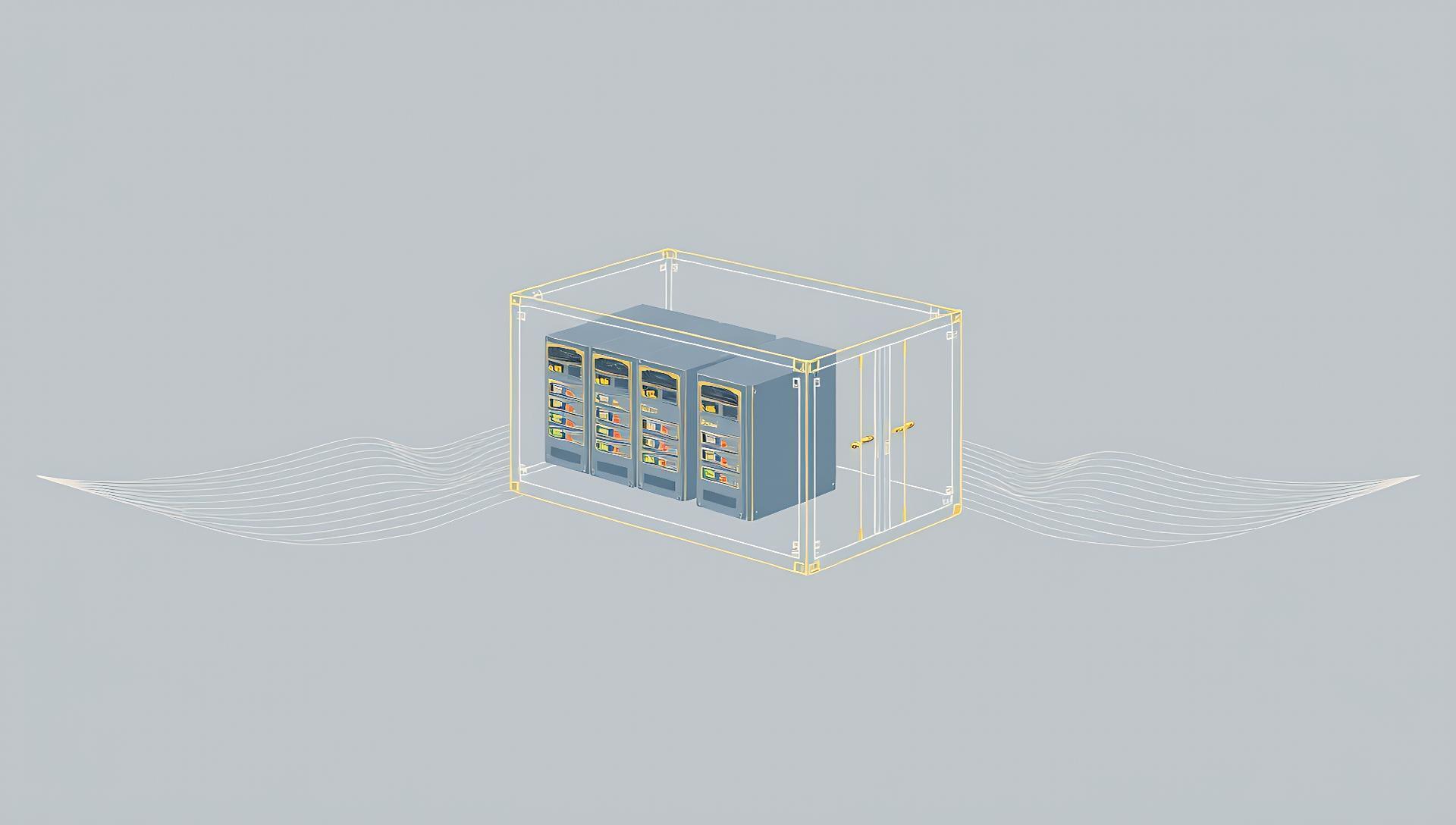
The Performance and Security Trade-Off
The primary value proposition is a rebalancing of the container-VM spectrum. Standard containers are lightweight but share a kernel, creating a large attack surface. VMs are isolated but heavy. Ginux aims for a middle ground: near-container speed with beyond-container isolation.
Early technical documentation suggests the overhead is minimal for syscall-heavy workloads, as many operations are handled within the userspace kernel without context switching to the host. The security model is strengthened because a compromised container only interacts with Ginux's virtual kernel, not the host's.
| Feature | Standard Container (Docker) | Ginux | Virtual Machine (KVM) |
|---|---|---|---|
| Isolation Level | Kernel-sharing (weak) | Kernel-virtualization (medium) | Hardware (strong) |
| Startup Time | <1s | ~1-2s (est.) | 5-30s |
| Memory Overhead | Low (~MBs) | Low-Moderate | High (GBs for hypervisor) |
| Syscall Performance | Native | Near-native (intercepted) | High overhead |
| Ideal For | Microservices, stateless apps | Security-sensitive AI/ML, multi-tenant SaaS | Legacy apps, full OS needs |
How to Try Ginux Right Now
As an early-stage project, setup requires comfort with the command line. The project is built from source.
- Clone and Build:
git clone https://github.com/gmkurtzer/ginux && cd ginux && make - Test with Included Demo: The repository includes simple test applications. Running
./ginux /path/to/test_binarywill launch the binary within the Ginux environment. - Integrate with Container Runtimes: The long-term goal is integration with containerd or cri-o. Currently, advanced users can experiment by configuring alternative runtimes, but this is not a one-command process.
"Detailed Build Dependencies"
Building Ginux requires standard development tools:
gcc and make
linux-headers package)glibc-devel or libc6-dev)
Check the project's README.md for the most current requirements.
Pros and Cons for Practitioners
Advantages:
- Enhanced Security: Reduces the kernel attack surface for containerized applications, crucial for AI pipelines processing sensitive data.
- Performance Potential: Can outperform VM-based isolation for workloads heavy in system calls.
- Greg Kurtzer's Pedigree: Backed by a foundational figure in enterprise Linux, suggesting long-term viability and sensible architecture.
Drawbacks:
- Early-Stage Complexity: Not yet plug-and-play with Docker or Kubernetes. Requires manual integration effort.
- Limited Hardware/Driver Support: As a userspace kernel, it does not manage physical hardware directly, which is handled by the host.
- Community and Ecosystem: The tooling, monitoring, and debugging ecosystem around standard containers is vast; Ginux's is just beginning.
Key Alternatives and When to Choose Them
For isolating AI workloads, you have three main paths:
- Docker/containerd (Standard Containers): Use for all other scenarios. It's the default for a reason: unparalleled tooling, speed, and community support. Your GPU-passthrough and networking are already solved problems.
- Kata Containers / gVisor: Choose these if you need stronger isolation today. Kata uses a lightweight VM for strong security. gVisor, like Ginux, is a userspace kernel but is more mature and integrates seamlessly with Docker and Kubernetes. They are Ginux's direct competitors.
- Full Virtualization (KVM, VMware): Use for legacy applications or when you need a full, different kernel. The overhead is acceptable when complete OS separation is mandatory.
Bottom line: Ginux is a promising architectural bet on deeper container isolation, but it's currently a tool for early adopters and contributors, not production teams.
Who Should Use Ginux (And Who Shouldn't)
Consider experimenting with Ginux if you are:
- A platform engineer at a SaaS company evaluating next-gen isolation for multi-tenant AI model serving.
- A security researcher focused on container escape vulnerabilities and mitigation techniques.
- A developer contributing to container runtimes or low-level Linux systems.
Avoid Ginux for now if you:
- Need to deploy production AI workloads this quarter. Stick with Docker or gVisor.
- Rely on extensive GPU or custom hardware acceleration without time to debug low-level integration.
- Want a managed service; this is a bare-metal, DIY toolkit.
Ginux represents a compelling fork in the road for container technology, moving beyond the security limitations of shared kernels. While it's not ready to replace your existing stack, its development is worth monitoring for anyone building the next generation of secure, high-performance AI infrastructure. Its success will depend on bridging the gap from a brilliant kernel project to a complete platform ecosystem.




Top comments (0)