


The Atlantic piece "The rise of machine writing is a great opportunity for literature" argues that AI text generation expands rather than contracts literary possibilities. The article surfaced in an Hacker News thread that received 11 points and zero comments.
Core Argument from the Source
The central claim is that machine writing frees human authors from routine stylistic labor. Writers can focus on voice, structure, and thematic depth while AI handles pattern-based generation. This mirrors earlier technology shifts that initially threatened creative fields but ultimately diversified output.
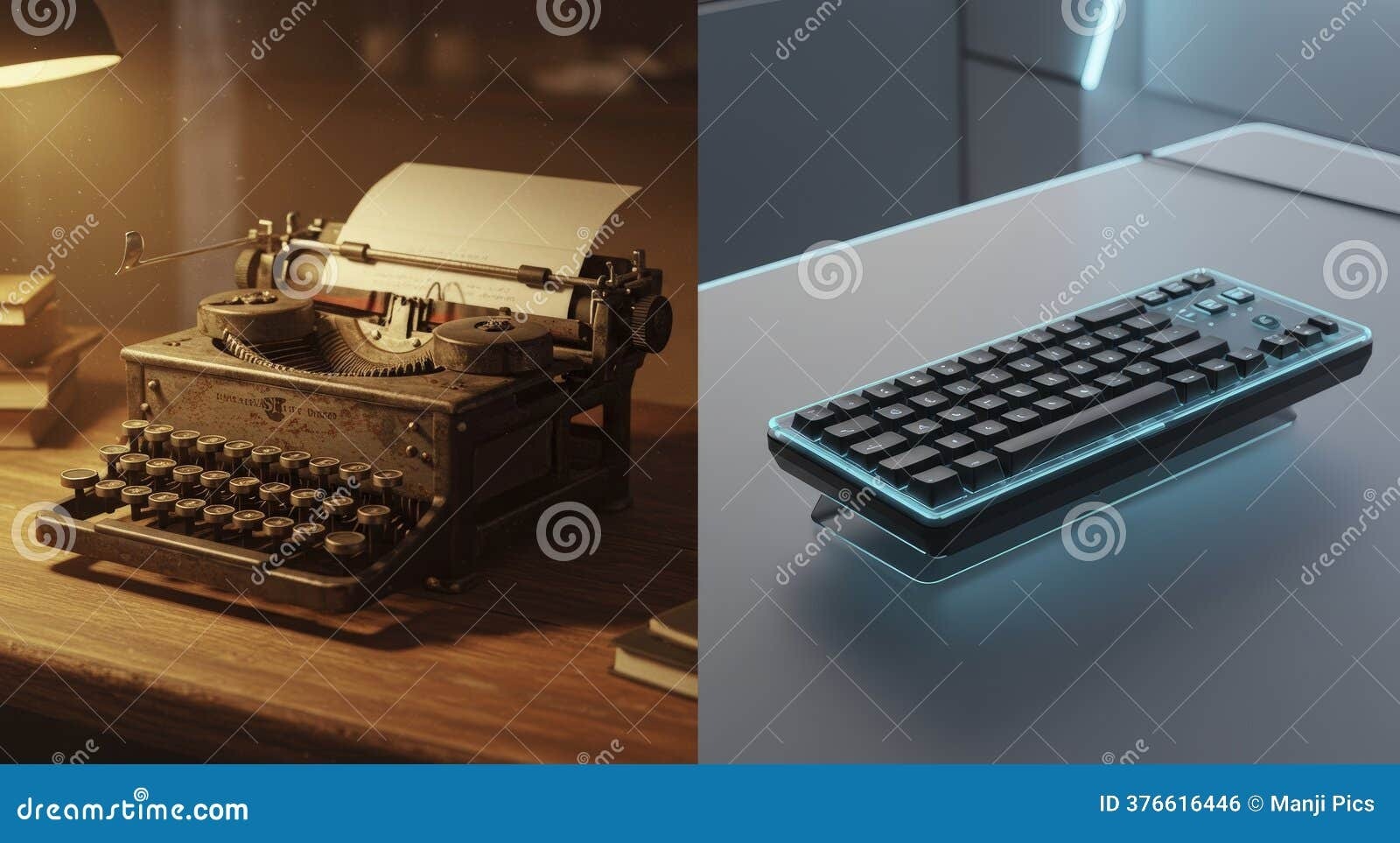
How the HN Community Responded
The thread stayed small. With zero comments, no technical debate emerged on reproducibility, style transfer metrics, or dataset provenance. The 11-point score indicates modest interest rather than strong endorsement or rejection among AI practitioners.
Comparison to Historical Precedents
Past technologies followed similar arcs. Photography did not end painting; it shifted painting toward abstraction and conceptual work. Desktop publishing did not eliminate typography; it lowered barriers and increased experimentation.
| Technology | Initial Fear | Actual Outcome |
|---|---|---|
| Photography | End of representational art | Rise of abstract and conceptual art |
| Desktop publishing | Death of professional typography | Explosion of independent zines and design |
| Machine writing | Homogenized prose | New hybrid forms and stylistic specialization |
Practical Implications for AI Builders
Developers building writing assistants should prioritize controllable style parameters over raw fluency. Tools that expose temperature, top-p, and fine-tuned author embeddings let users treat the model as a drafting partner rather than a replacement. This aligns with the article's view that differentiation, not volume, drives literary value.
Teams shipping consumer writing products can test this by measuring whether users retain more distinctive voice metrics after adopting AI assistance versus writing unaided.
Who Should Pay Attention
Researchers studying style transfer and long-form coherence will find the framing useful for hypothesis generation. Product teams focused on enterprise document generation can safely deprioritize this perspective. Literary authors experimenting with AI co-writing gain a constructive lens that avoids defensive positioning.
Bottom line: The article reframes AI writing tools as instruments for specialization rather than homogenization.
The discussion remains early. Developers who instrument style diversity metrics in their products will be best positioned to test whether the predicted literary expansion materializes.






Top comments (0)